When it comes to industrial plant design, selecting the right software isn’t just a technical decision: it’s a strategic one. The tools you choose can profoundly impact project efficiency, accuracy, collaboration, and ultimately, your bottom line. With a multitude of solutions available, finding the perfect fit for your specific piping and plant engineering needs can feel like navigating a complex maze.
At Piping Technology and Products, we understand the critical importance of these choices. That’s why we’ve compiled a detailed comparison of three leading plant design software platforms: SmartPlant3D®, AVEVA™ E3D Design(PDMS), and CADWorx®. We’ll delve into their strengths, typical applications, and unique features to help you identify which powerhouse aligns best with your project requirements and operational philosophy. Let’s explore the capabilities that define each of these top industry options.

SmartPlant® 3D: The Integrated Ecosystem Champion
Intergraph’s SmartPlant suite, now often referred to as Hexagon SmartPlant®, is a comprehensive, highly integrated set of applications that covers the entire plant lifecycle. From conceptual design to operations and maintenance, SmartPlant offers specialized modules that communicate seamlessly.
Key Strengths:
- Total Integration: Modules like SmartPlant P&ID, SmartPlant 3D, SmartPlant Electrical, etc., work together to maintain data consistency across disciplines.
- Data-Centric Design: Emphasizes a single source of truth for all project data, reducing errors and rework.
- Advanced 3D Modeling: SmartPlant 3D offers robust, rule-based 3D modeling for piping, equipment, structural, and civil components.
- Asset Management: Extends beyond design into operational asset information management.
Best Suited For:
- Large-scale, complex projects requiring multidisciplinary coordination and extensive data management.
- Organizations seeking a unified platform for engineering design, construction, and asset lifecycle information.
- Industries such as power generation, oil & gas, shipbuilding, and mining.

AVEVA™ E3D Design (PDMS): The Detail-Oriented Veteran
AVEVA™ E3D Design has long been a leader in the detailed design phase, particularly for complex industrial plants. Known for its powerful 3D modeling capabilities, it excels at creating intelligent, clash-free designs.
Key Strengths:
- Robust 3D Modeling: Highly detailed and accurate 3D modeling environment for piping, equipment, structures, and HVAC.
- Clash Detection: Industry-leading automatic clash detection to prevent interferences and costly on-site modifications.
- Data Richness: PDMS objects contain extensive attribute data, making it well-suited for generating reports and material take-offs (MTOs).
- Customization: Highly customizable with macro language (PML) to tailor workflows and automate tasks.
Best Suited For:
- EPC (Engineering, Procurement, and Construction) firms focused on detailed engineering and construction packages.
- Projects requiring high levels of accuracy, sophisticated clash management, and detailed MTOs.
- Industries include oil & gas, chemical, power, and marine.

CADworx® Plant Professional: The AutoCAD-Integrated Solution
Cadworx® Plant Professional, by Hexagon, stands out for its deep integration with AutoCAD. This makes it an incredibly appealing option for companies and engineers already proficient and invested in the AutoCAD ecosystem. It provides comprehensive plant design capabilities directly within the familiar AutoCAD environment.
Key Strengths:
- AutoCAD Integration: Leverages the power and familiarity of AutoCAD for 2D and 3D design.
- Ease of Use: A relatively short learning curve for existing AutoCAD users.
- Piping Specifications: Comes with extensive libraries and tools for creating and managing piping specifications.
- Affordability: Often considered a more cost-effective solution compared to some of the larger, more complex suites.
- P&ID and Isometrics: Strong capabilities for generating intelligent P&IDs and automatic isometric drawings.
Best Suited For:
- Small to medium-sized engineering firms or departments.
- Companies that value AutoCAD proficiency and seek to extend it into 3D plant design without a steep learning curve.
- Projects where a balance of functionality, ease of use, and cost-effectiveness is key.
Making Your Choice: A Strategic Decision
Each of these software powerhouses brings unique strengths to the table.
- SmartPlant3D offers an all-encompassing, integrated ecosystem for the entire plant lifecycle, ideal for large, complex, multidisciplinary projects.
- PDMS (AVEVA E3D) excels at highly detailed 3D modeling and clash detection, making it ideal for precision engineering and construction.
- CADworx provides a powerful, AutoCAD-integrated solution that offers robust functionality, a familiar interface, and often a more accessible price point.
The “best” software isn’t universal; it’s the one that best fits your project scope, your team’s existing skill set, your budget, and your long-term strategic goals. Consider the scale of your projects, the level of integration required, your budget constraints, and your team’s learning curve when making this crucial decision.
Integrate Design with Real-World Performance: Choose Piping Technology
Choosing the right design software provides the blueprint, but bringing that blueprint to life requires the right components and expertise. Regardless of whether your team employs the integrated power of SmartPlant3D, the detailed precision of AVEVA E3D (PDMS), or the familiarity of CADworx, the real-world performance of your plant hinges on not just design excellence but system reliability.
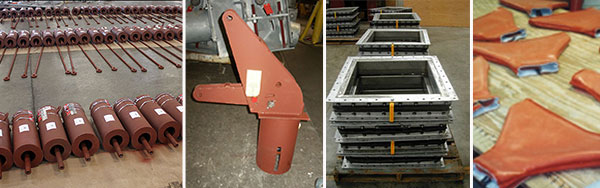
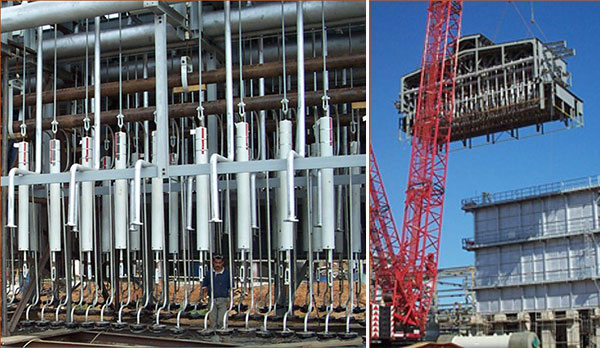
Piping Technology specializes in manufacturing and supplying critical components: from engineered pipe supports and highly customized expansion joints to dampeners and complete engineering services that precisely adhere to specifications generated by all major plant design software. Our engineers work with the output from these platforms daily, ensuring that the pipe supports and hardware we deliver integrate with the structural and thermal requirements of your most complex designs. We are the critical link between your digital model and an operational plant.
Our commitment is to support your project from the MTO stage through installation, ensuring that the components designed to manage load, stress, and thermal movement perform exactly as predicted in your sophisticated software model. Download our catalog to learn more.
Read More