Clevis Hangers

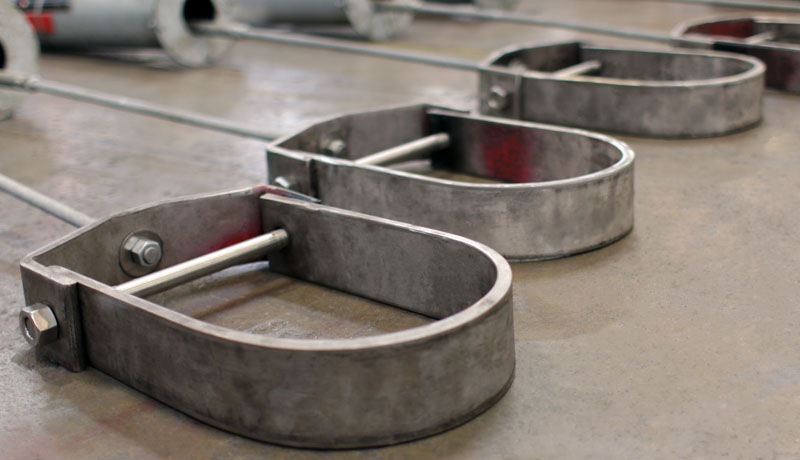
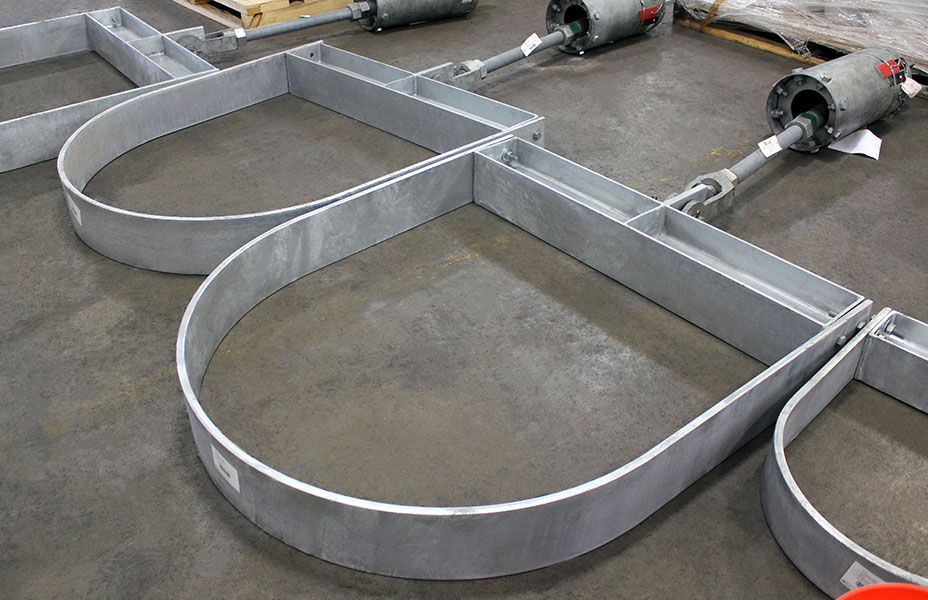
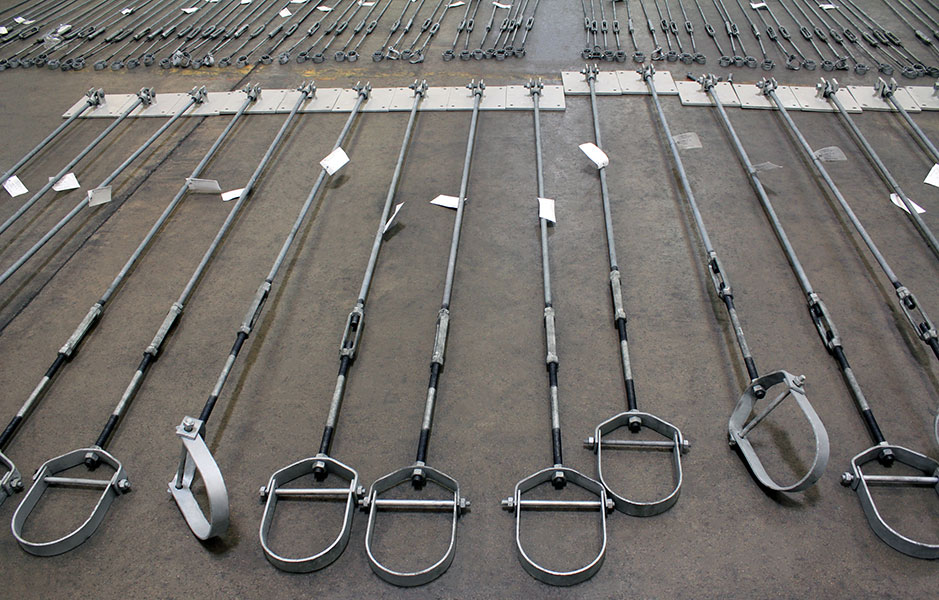
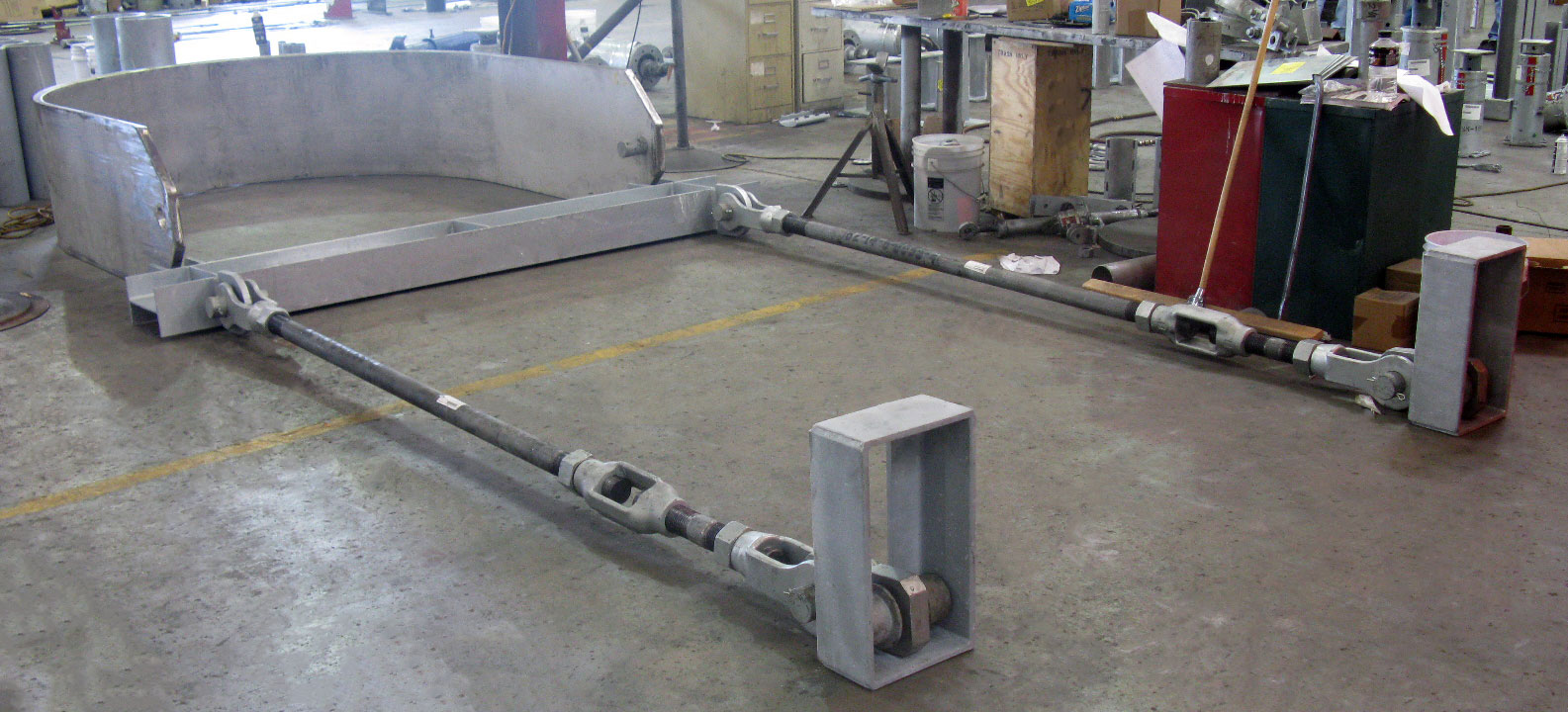
Clevis hangers are widely used for suspending both insulated and non-insulated stationary piping lines, providing a simple yet robust overhead mounting solution. Acting as versatile clevis pipe supports, these units allow vertical adjustment of the pipe after installation via the threaded rod connection. Our inventory includes standard carbon-steel clevis pipe hangers, as well as stainless-steel and galvanized options for corrosive environments. The typical clevis hanger assembly consists of a top yoke, a bottom strap, and a cross bolt, forming a secure cradle that simplifies installation. Whether your project specifies a light-duty clevis-type hanger for plumbing or a heavy-duty industrial clevis pipe hanger for larger bore pipe systems, these supports provide reliable stability for fire protection, HVAC, and process piping.

Clevis hangers are widely used for suspending both insulated and non-insulated stationary piping lines, providing a simple yet robust overhead mounting solution. Acting as versatile clevis pipe supports, these units allow vertical adjustment of the pipe after installation via the threaded rod connection. Our inventory includes standard carbon-steel clevis pipe hangers, as well as stainless-steel and galvanized options for corrosive environments. The typical clevis hanger assembly consists of a top yoke, a bottom strap, and a cross bolt, forming a secure cradle that simplifies installation. Whether your project specifies a light-duty clevis-type hanger for plumbing or a heavy-duty industrial clevis pipe hanger for larger bore pipe systems, these supports provide reliable stability for fire protection, HVAC, and process piping.

Q: What is the primary function of clevis hangers in a piping system? 

A: Clevis hangers are designed to suspend stationary piping from overhead structures, such as beams or ceilings. They support the pipe’s dead weight and contents while allowing vertical adjustment to keep the line level.


Q: Is a standard clevis hanger adjustable after installation? 

A: Yes. A key feature of a clevis pipe hanger is its ability to adjust the pipe’s elevation. By rotating the nuts on the threaded suspension rod attached to the top yoke, the installer can raise or lower the pipe to achieve precise alignment.


Q: What components are included in a complete clevis hanger assembly?

A: A typical clevis hanger assembly comprises three main parts: the “yoke” (top section), the “u-strap” (bottom section that cradles the pipe), and a cross bolt or pin that connects the two. It does not typically include the threaded rod or beam clamp, which are sold separately.


Q: Can I use a clevis pipe support for insulated piping? 

A: Yes, you can use a clevis pipe support for insulated lines. However, to prevent the hanger from crushing the insulation, install a protective shield or a high-density insulation saddle between the pipe covering and the bottom strap of the hanger.


Q: How do clevis pipe hangers accommodate pipe movement? 

A: While clevis pipe hangers are not designed as dynamic supports like spring hangers, the threaded rod suspension allows for a small amount of lateral “swing” or pendulum movement, accommodating minor thermal expansion and contraction in the system.


Q: What is the difference between a standard and a heavy-duty clevis-type hanger?

A: A heavy-duty clevis-type hanger is fabricated from thicker steel stock and utilizes a larger cross bolt. This design allows it to carry significantly higher loads than a standard clevis hanger, making it suitable for large-diameter industrial pipes.


Q: How do I select the correct size clevis hanger for my project? 

A: You should select a clevis hanger based on the outside diameter of the pipe. If the pipe is insulated, the hanger must be large enough to accommodate the full pipe diameter plus the insulation thickness. When insulation is present, a galvanized shield can also be utilized.


Q: Why are clevis hangers preferred over split ring hangers for certain applications?

A: Clevis hangers are often preferred because they allow the pipe to be laid into the bottom strap during installation, rather than having to feed the pipe through a ring. Additionally, the clevis pipe hanger’s yoke design enables easier vertical adjustment than many split-ring designs.

More FAQs…

Top