Types:
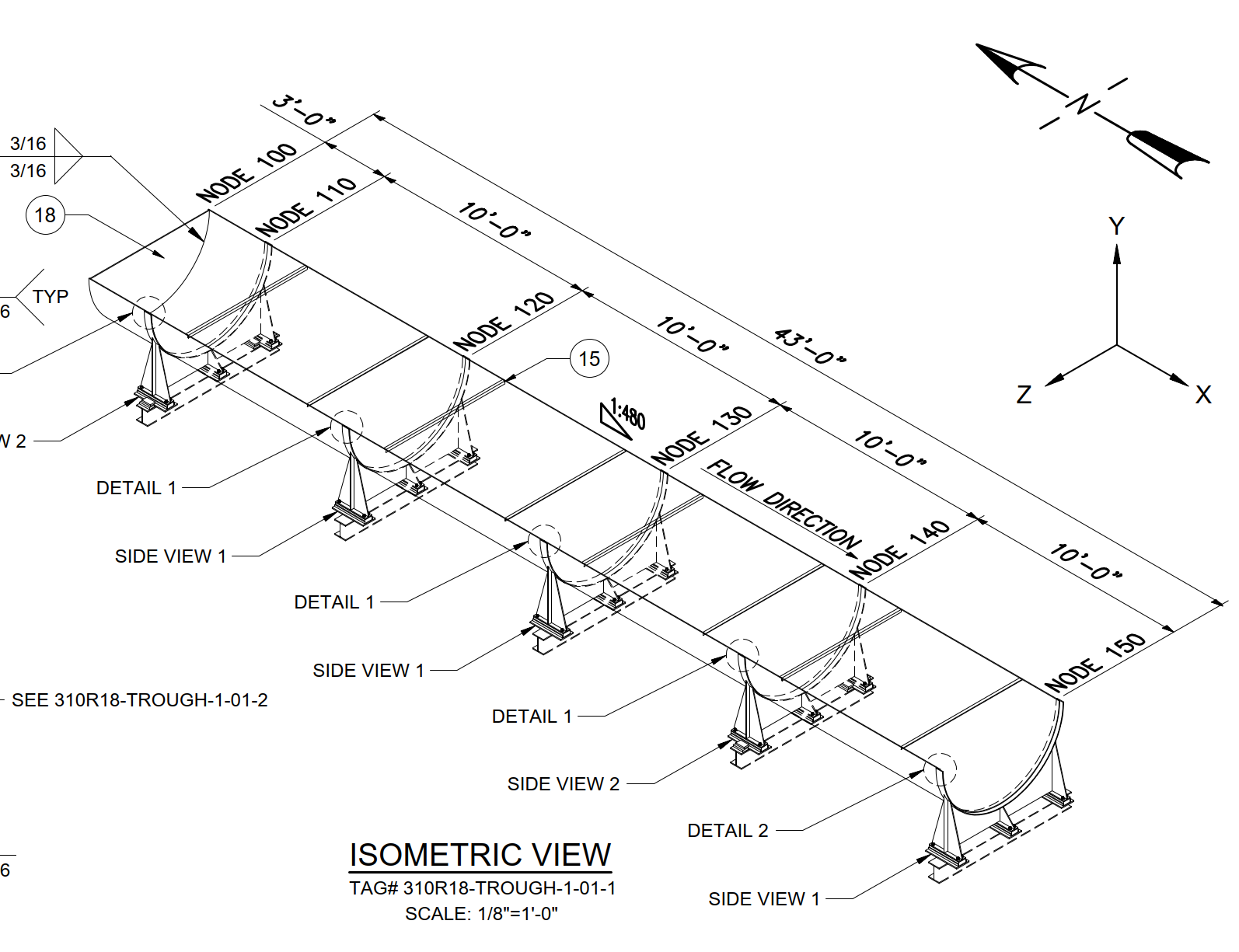
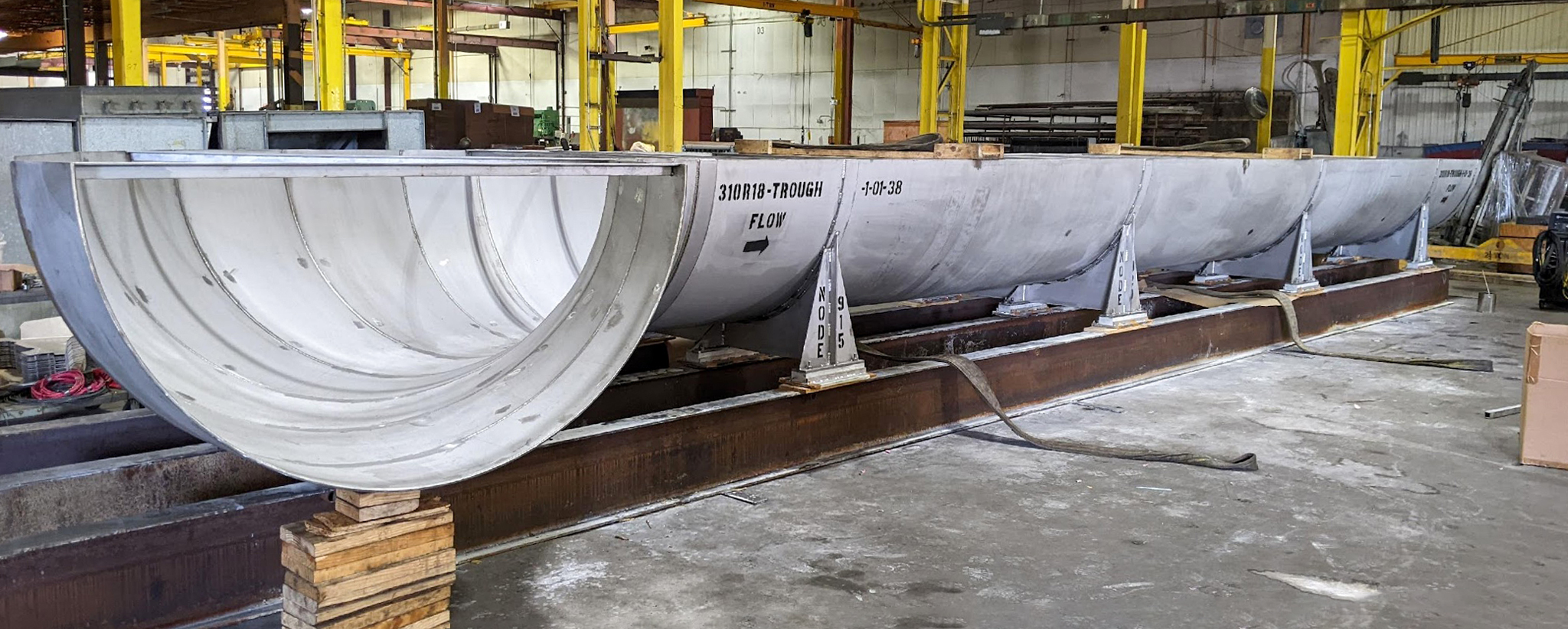
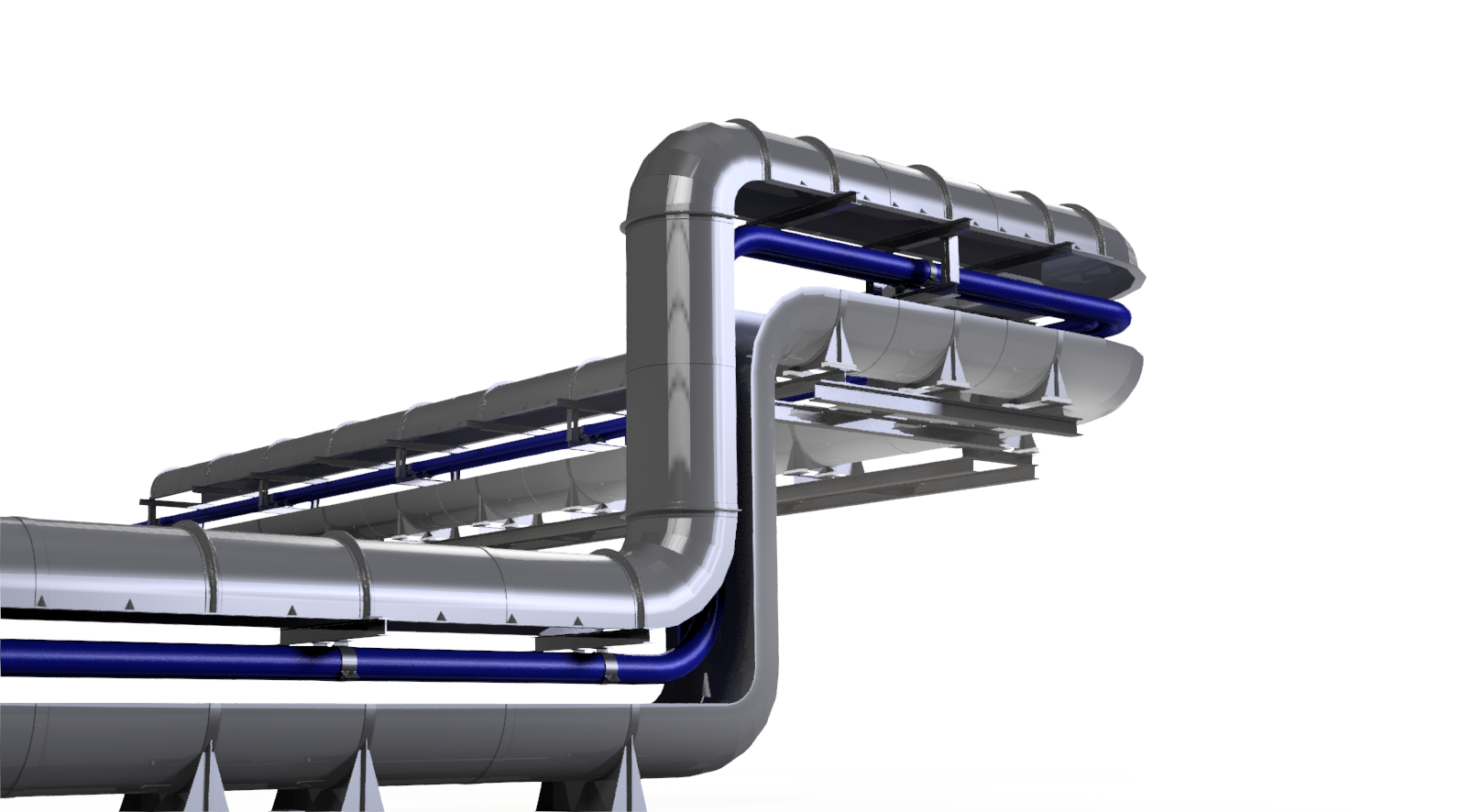
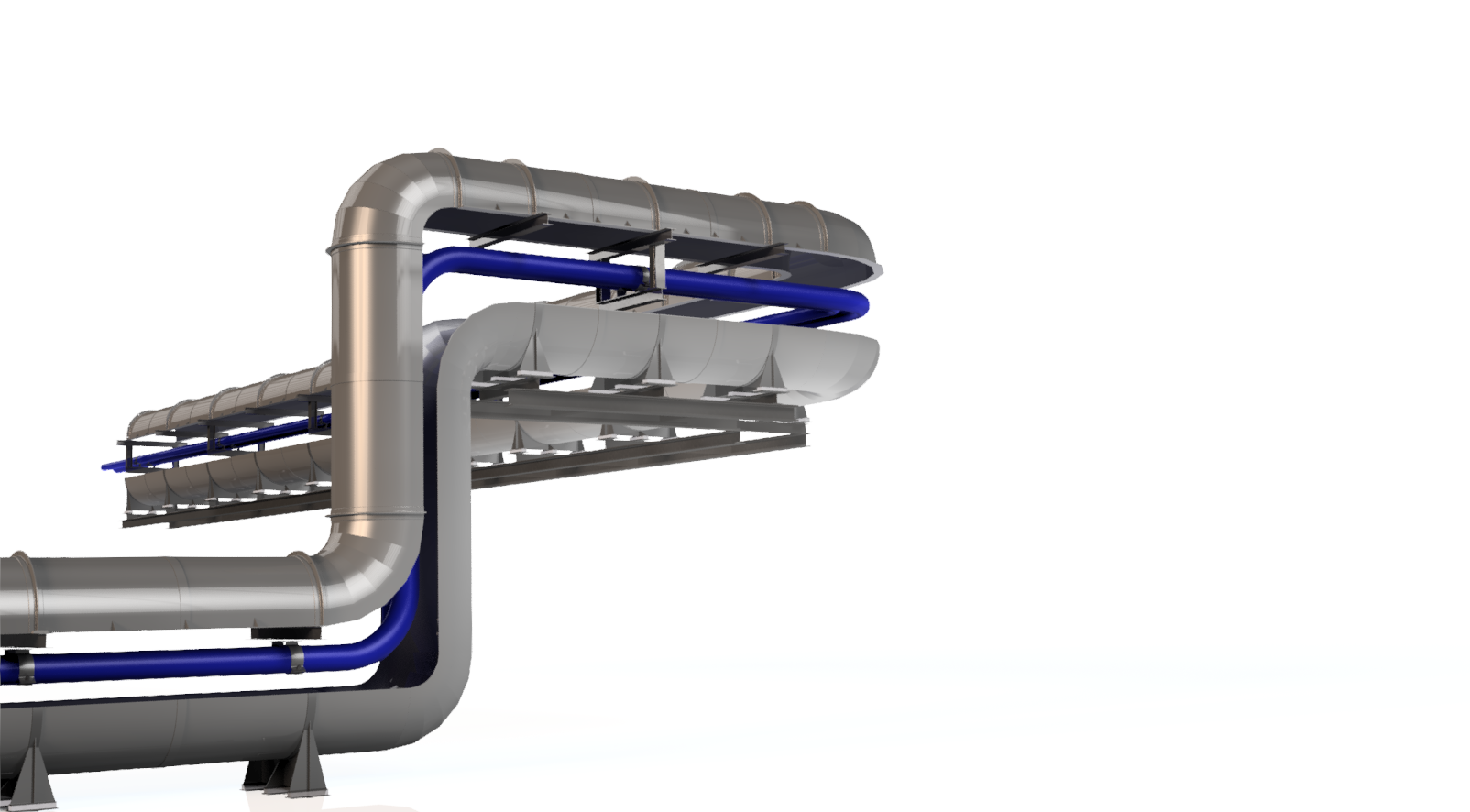
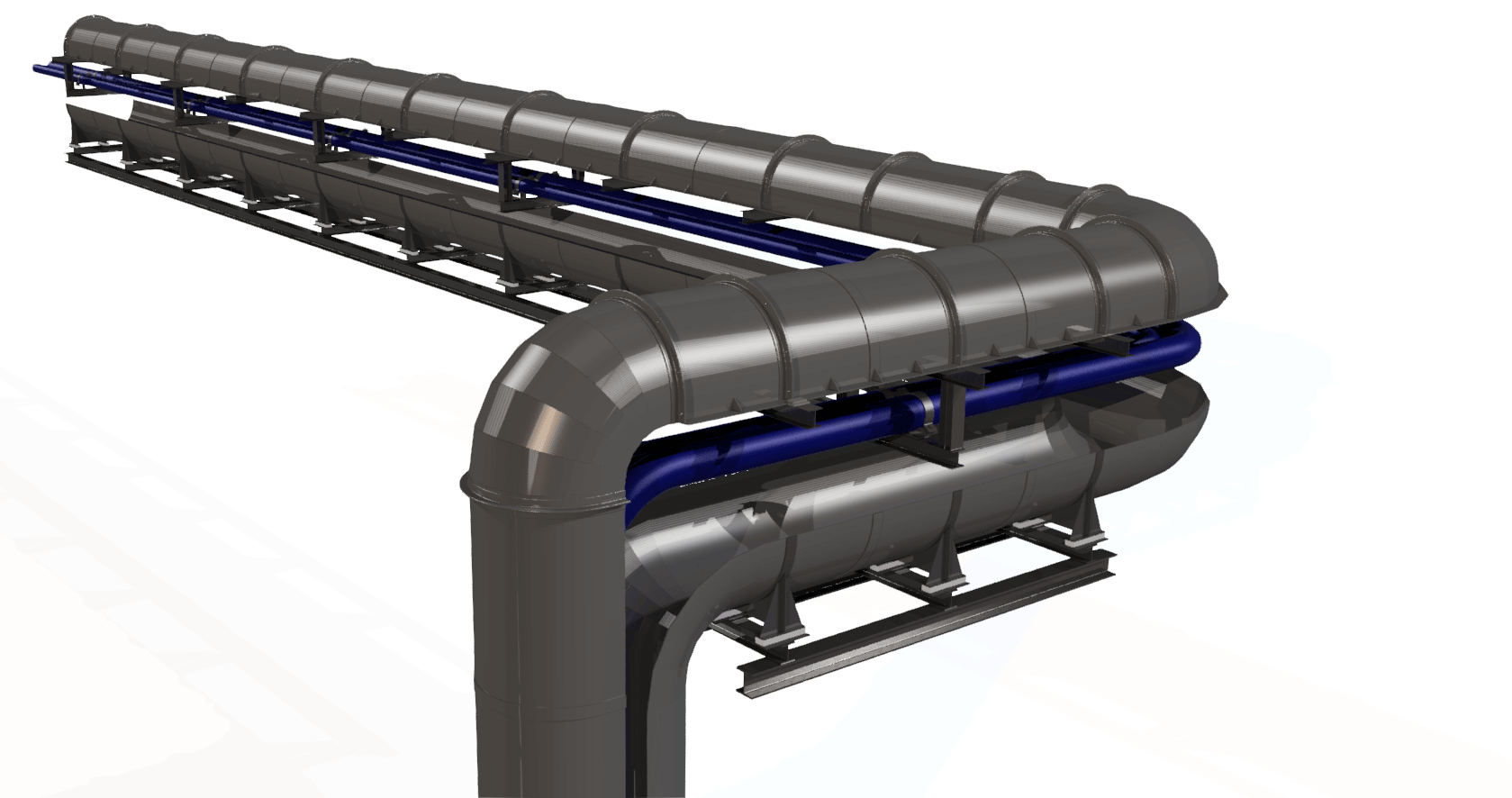
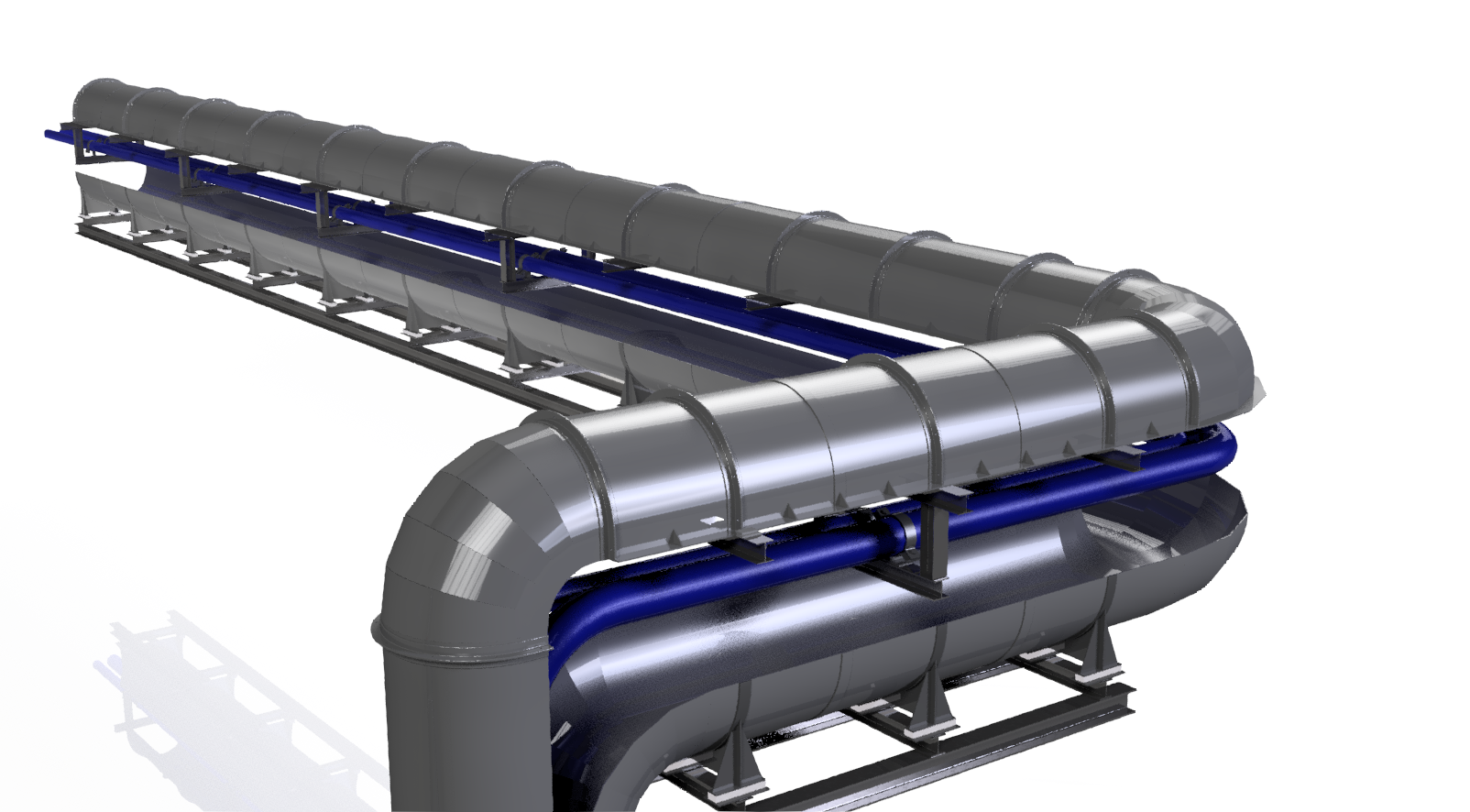
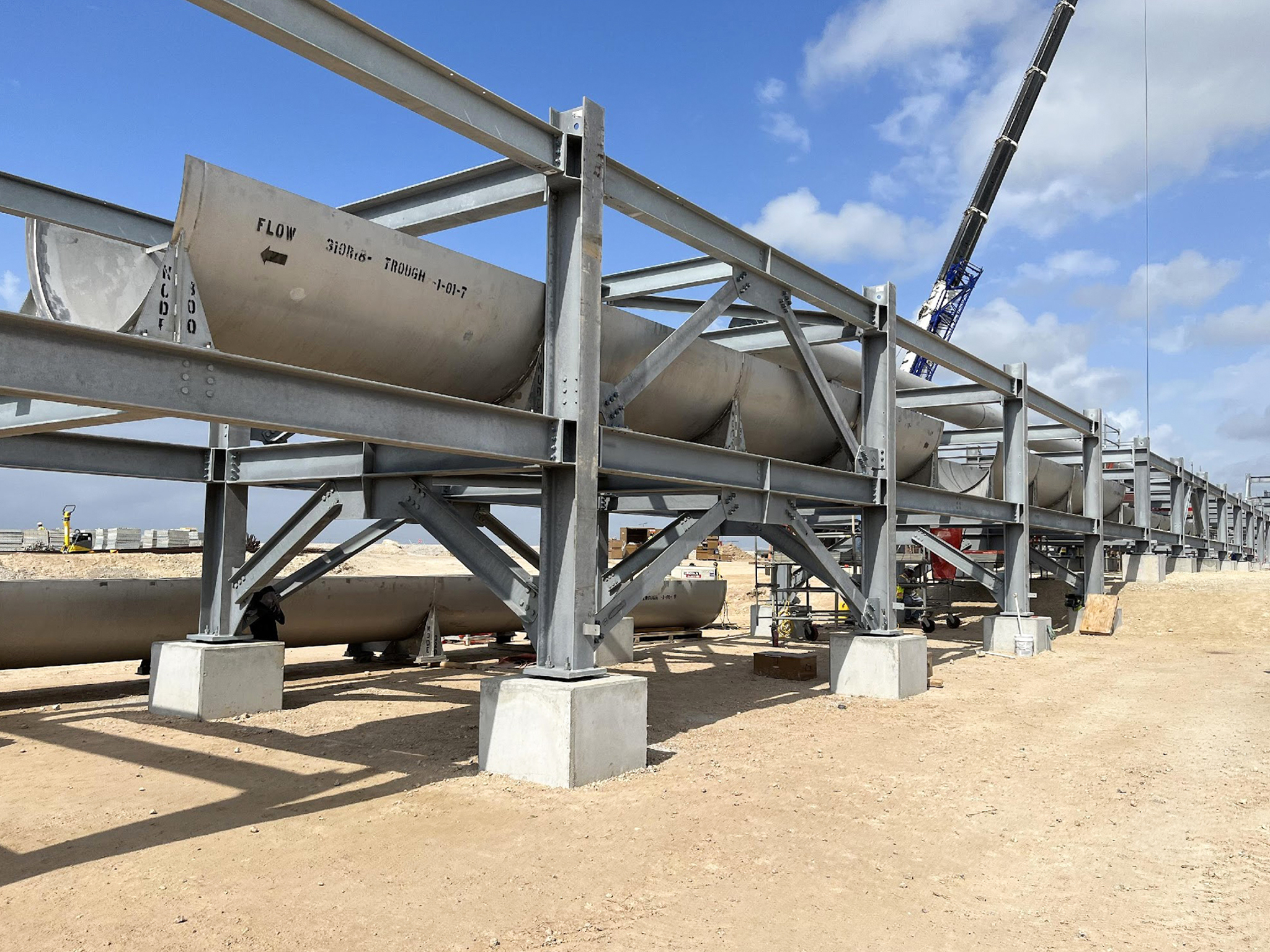
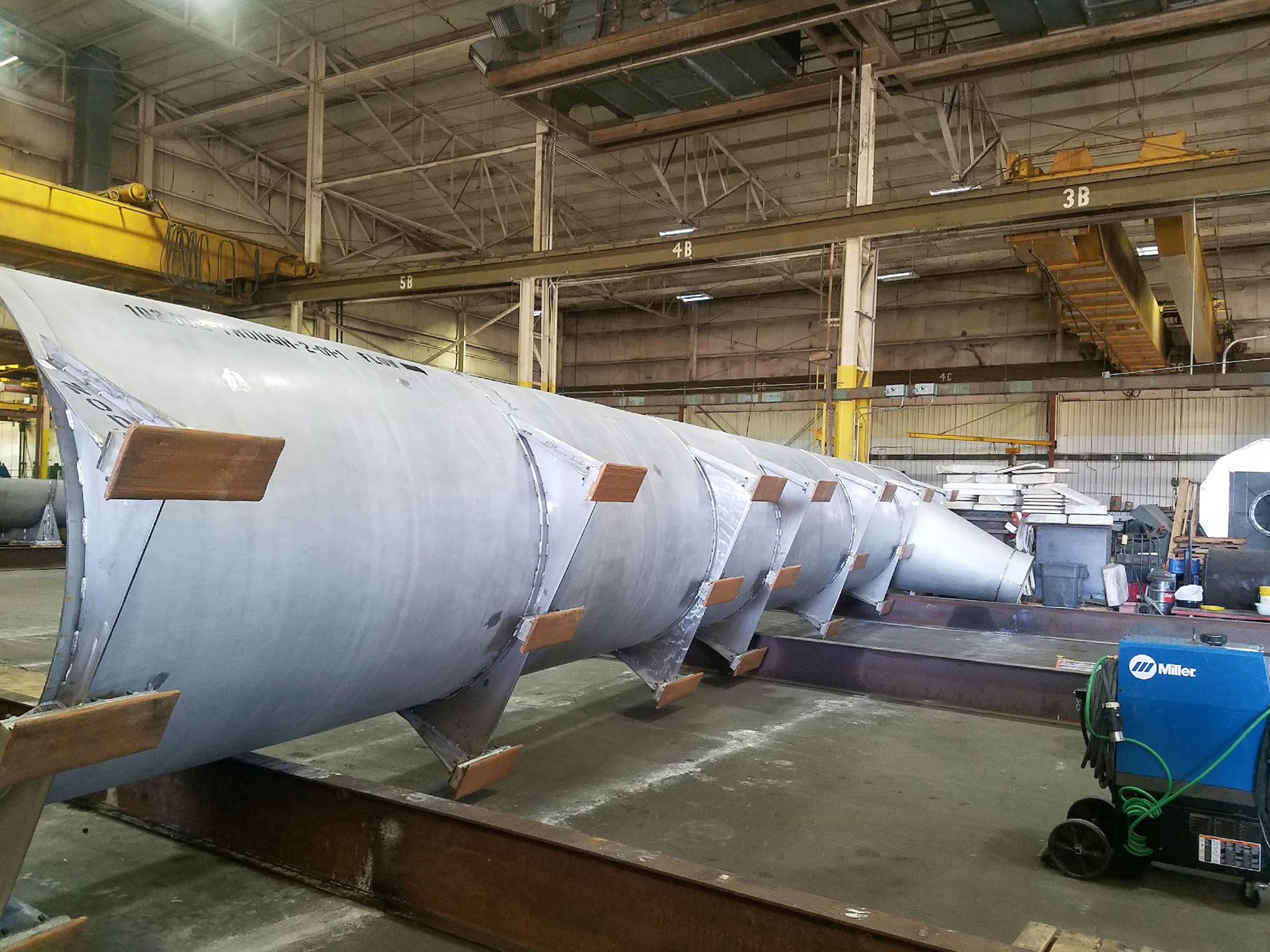
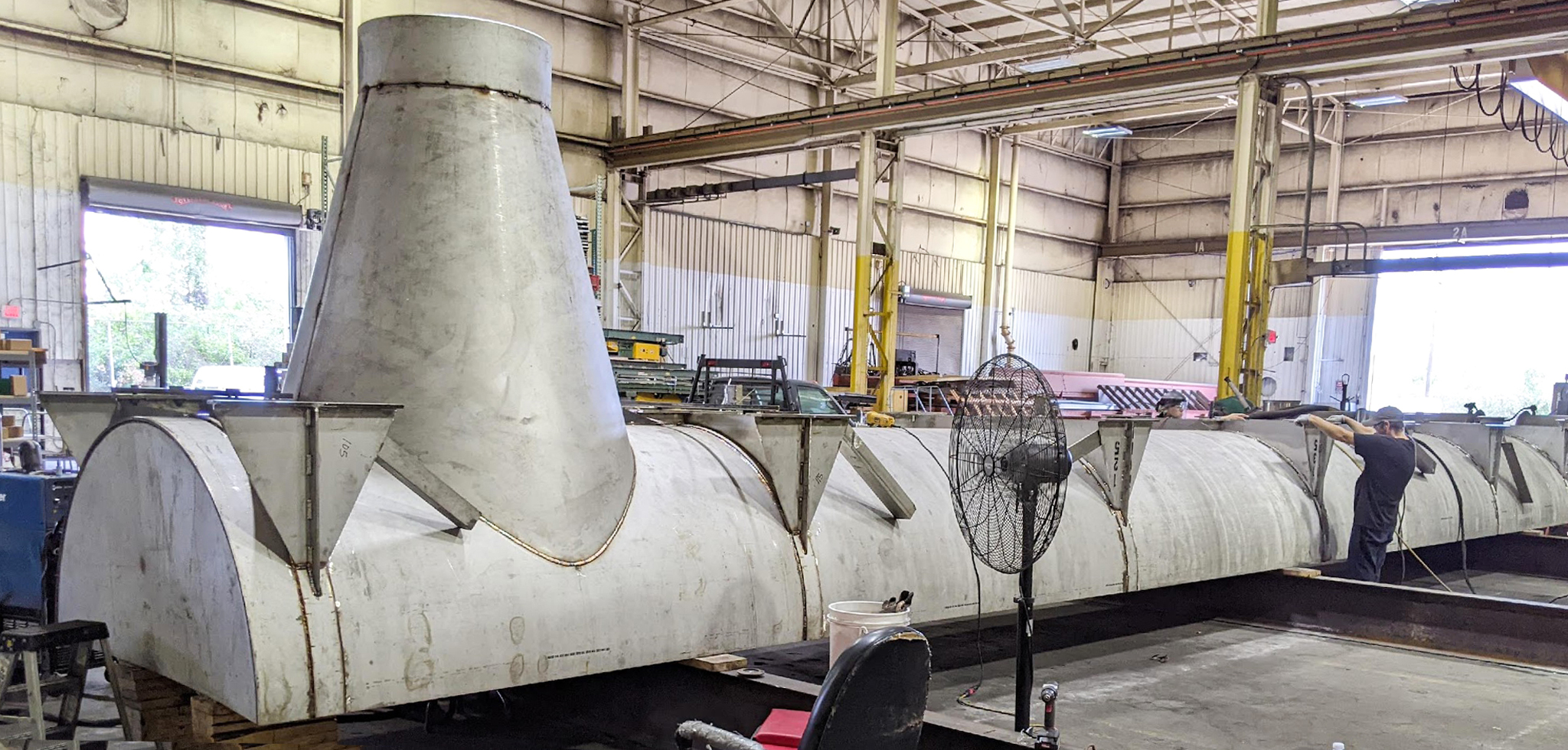
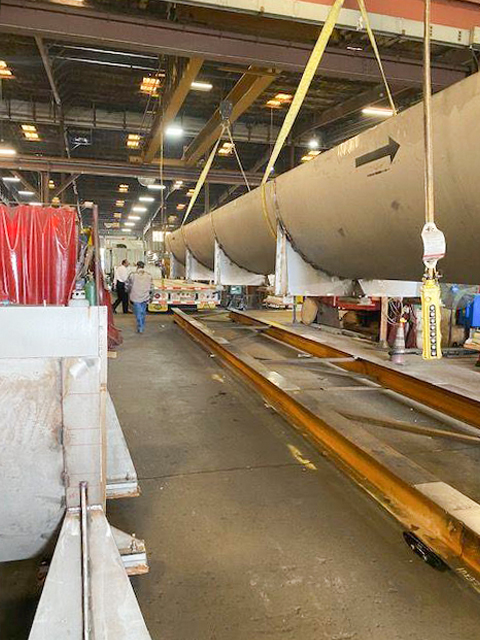
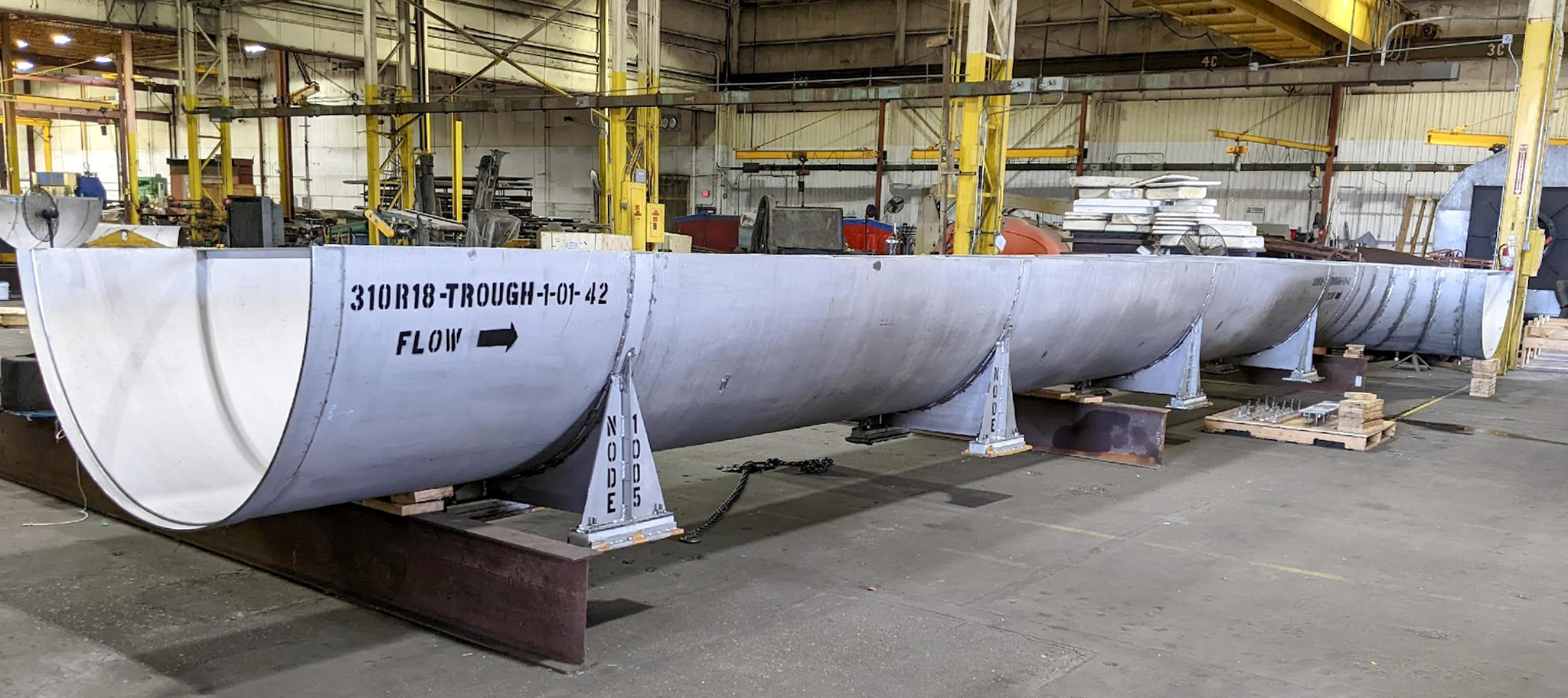
LNG Spill Containment Troughs
Engineered modular trough systems installed beneath LNG piping to capture and safely route cryogenic spills away from structural steel and critical infrastructure.
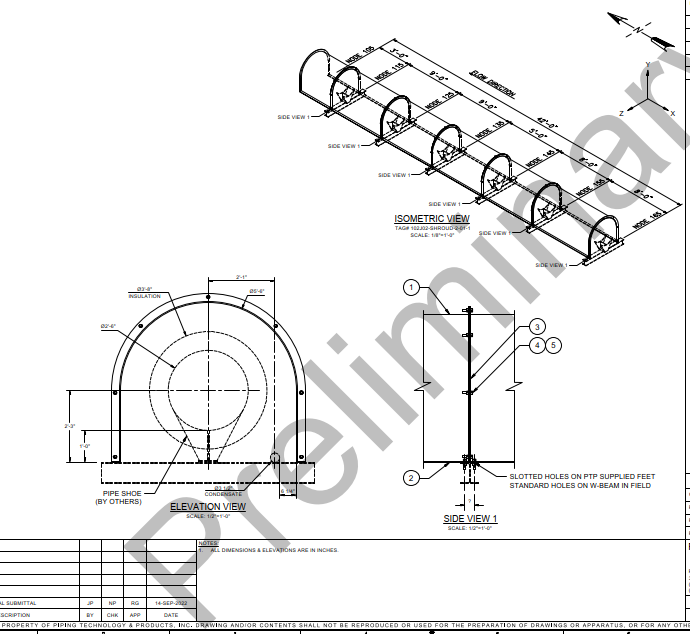
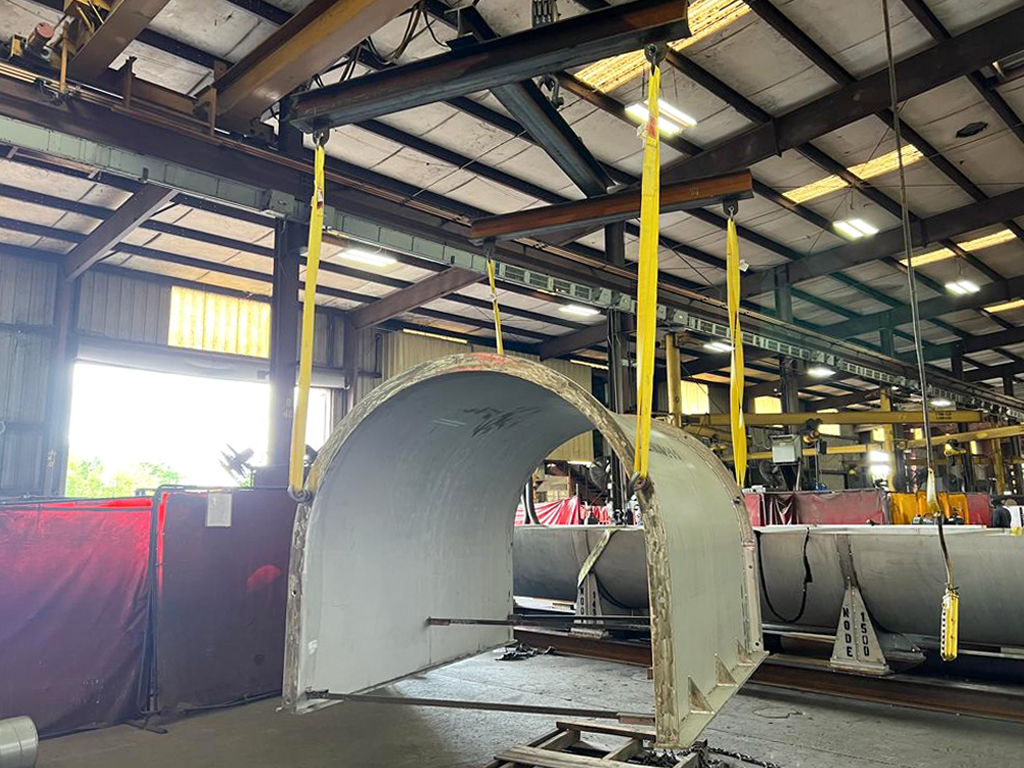
LNG Vapor Dispersion Shrouds
Localized protective enclosures designed to contain and direct cold LNG vapor clouds during leak events.
Guided LNG Trough Assemblies
Containment trough systems incorporating guided and sliding support assemblies to accommodate thermal expansion and contraction.
Heavy-Duty Structural Spill Troughs
Reinforced LNG containment systems designed for high-load applications, extreme environmental conditions, and hurricane-force wind resistance.
Faq
Q: What is an LNG spill containment trough?
A: An LNG spill containment trough is a continuous containment system installed beneath LNG piping to capture and safely direct cryogenic liquid spills away from structural steel and surrounding infrastructure.
Q: Why are LNG troughs important in cryogenic facilities?
A: LNG troughs help prevent thermal shock and brittle fracture by preventing direct contact between cryogenic LNG and structural steel components.
Q: What is the function of an LNG vapor dispersion shroud?
A: LNG shrouds are designed to contain and direct vapor clouds generated during LNG leak events, reducing exposure risks to equipment and personnel.
Q: Can LNG containment systems accommodate thermal movement?
A: Yes. LNG containment systems are engineered with guided and sliding supports to allow thermal expansion and contraction of piping systems without restricting movement.
Q: What environmental conditions are LNG trough systems designed for?
A: LNG trough systems may be engineered for:
- Cryogenic temperatures approaching –274°F
- High structural loads
- Thermal movement
- Hurricane-force wind conditions
- Dynamic operational loading
Q: What standards apply to LNG spill containment systems?
A: LNG spill containment systems are typically designed to support compliance with:
- Federal Energy Regulatory Commission (FERC) requirements
- NFPA 59A standards
- Project-specific engineering specifications