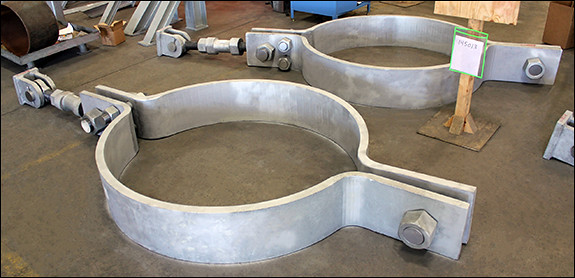
Clamps: 149″ L x 14″ W x 2″ T | Load Bolt: 4-1/2″ | 68″ Dia. Pipe
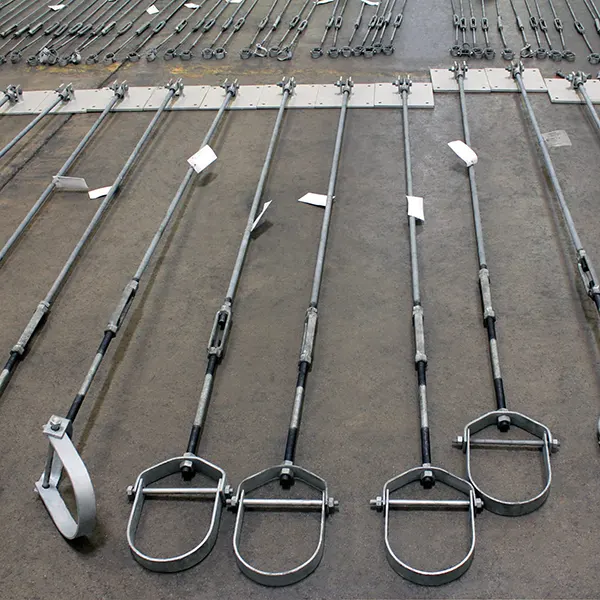
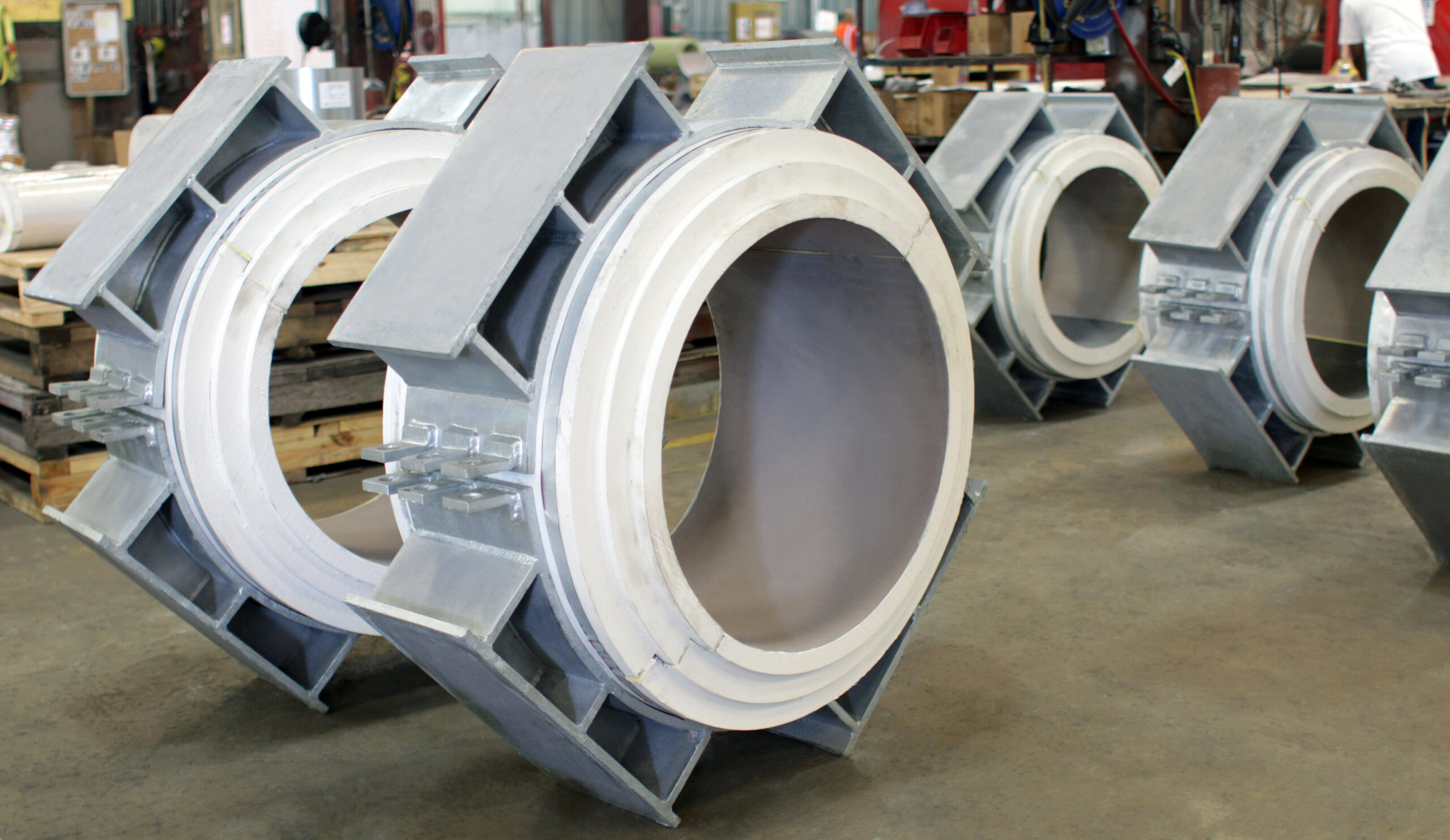
Piping Technology & Products custom designed these pipe clamp and sway strut assemblies assemblies for an ethane cracker facility in Texas. The clamps were engineered for a 68-inch diameter pipe and utilize a bar measuring 149″ long × 14″ wide × 2″ thick. The load bolt is 4½ inches in diameter, while the inside bolts, rods, nuts, and turnbuckle are all 4 inches in diameter. The assemblies are fabricated entirely from A36 carbon steel and designed to operate at temperatures up to 550°F with a load capacity of 99,650 lb. Prior to shipment, PT&P performed a visual inspection using a sample pipe along with a full dimensional verification to ensure fit and performance. PT&P maintains an extensive inventory of pipe clamps and hardware for all types of pipe hanger and support assemblies, enabling rapid response to both standard and highly customized project needs.
For piping engineers, specifications are the bedrock of reliable and safe systems. Yet, behind every material requisition and fabrication drawing lies a crucial, often underappreciated, authority: the Manufacturers Standardization Society of the Valve and Fittings Industry (MSS). Adherence to MSS standards isn’t just a best practice; it is the non-negotiable blueprint for achieving optimal system integrity and avoiding costly field failures.
This post breaks down the core MSS standards that every piping engineer must not only know but actively implement in their daily work, ensuring your next project moves from design to commission with flawless execution.
MSS SP-25, Standard Practice for Marking System for Valves, Fittings, Flanges, and Unions, is the most fundamental standard. It provides the required method of marking components, ensuring immediate and accurate identification of:
Manufacturer: Who made it?
Material: What it’s made of (e.g., A105, 316 SS).
Pressure/Temperature Rating: Its operational limits.
Size: Its nominal dimension.
Failure to verify SP-25 compliance can lead to installation errors, material mix-ups, and catastrophic failures.
When designing a branch connection (a smaller pipe joining a larger header), you must ensure adequate reinforcement. MSS SP-97, Integrally Reinforced Forged Branch Outlet Fittings—Socket Welding, Threaded, and Buttwelding Ends, sets the dimensional, tolerance, and strength requirements for these critical components, commonly known as O-lets (e.g., Weldolets, Thredolets).
Key Insight: SP-97 fittings are designed to provide the required area replacement for the hole cut in the header pipe, while maintaining the system’s original pressure capacity.
When working with light-wall, corrosion-resistant materials, such as those used in chemical or cryogenic service, you must reference MSS SP-43, Standard Practice for Wrought Stainless Steel Butt-Welding Fittings. This standard defines the dimensions and tolerances for stainless steel and related alloy fittings (e.g., elbows, tees, and reducers) with Schedule 5S or 10S wall thickness.
Why it Matters: Using the wrong dimensions here can lead to improper fit-up, requiring excessive welding or grinding, which compromises the integrity of the corrosion-resistant material.
Valves, pipes, and fittings are only as stable as their support structure. MSS SP-58, Pipe Hanger and Support—Materials, Design, Manufacture, Selection, Application, and Installation, is the bible for specifying pipe supports. It provides detailed guidance on:
Load Calculation: Determining the required capacity.
Material Selection: Choosing the right material for the operating environment.
Component Design: From rod hangers to spring supports.
Proper SP-58 application prevents excessive stress, vibration, and thermal expansion, which can drastically shorten the lifespan of your piping system.
Piping Technology and Products: Your Guarantee of MSS Compliance
At Piping Technology and Products (PT&P), our in-house engineering and fabrication teams ensure every pipe support, expansion joint, and custom fabrication strictly adheres to the relevant MSS, ASME, and ASTM specifications. When you choose PT&P, you are not just purchasing a product; you are investing in assured compliance and minimized risk. We are your technical partner in specifying and supplying products that genuinely meet the rigorous demands of your industry.
Take Control of Your Piping Integrity Today
Every successful project starts with a bulletproof specification. Are you confident that the components you are currently sourcing meet the complete requirements of the applicable MSS standards?
Check Your Specs: Verify the MSS designation on your current material requisitions.
Consult Our Experts: Leverage our deep engineering expertise to address your complex piping challenges.
Contact our engineering and design team for a custom quote to ensure your next project is not just built, but built to last.
Designing a chemical plant is a monumental undertaking that requires rigorous planning, detailed engineering, and the careful selection of every component, especially the piping products that are the very lifeblood of the facility. The successful execution of a new plant relies on a structured, multi-phase process that minimizes risk, optimizes efficiency, and ensures safety and compliance. This blog post explores the key stages of chemical plant design and highlights the crucial role of different piping products in bringing these complex industrial visions to life.
The Foundation of Design: Essential Project Phases
The design process for a modern chemical plant typically comprises several phases, from conceptualization to final construction. This structured approach, known as Front-End Engineering Design (FEED) or, more broadly, the Project Management Process, ensures that technical viability and financial feasibility are confirmed before committing to large capital expenditures.
Step 1: The Block Flow Diagram (BFD)
The very first step in visualizing a plant is creating the Block Flow Diagram (BFD).
This is the simplest representation of the process. It uses blocks (rectangles) to represent major equipment, operations, or process areas (e.g., Reactor, Separator, Storage Tank). Arrows indicate the general flow of materials between these blocks. The BFD focuses on the overall process scheme, material balance, and energy integration without worrying about specific mechanical details or exact piping runs. It’s a crucial early communication tool for the entire team.
Step 2: Process and Instrumentation Diagram (P&ID)
Once the BFD is approved, the design evolves into the Process and Instrumentation Diagram (P&ID). This is arguably the most crucial engineering drawing in the entire plant design process.
The P&ID provides a detailed, schematic representation of the process equipment, piping, instrumentation, and control systems. Unlike the BFD, the P&ID includes every pipe run, valve, instrument, and control loop. It shows:
All major and minor equipment (pumps, vessels, heat exchangers).
The complete piping network, showing lines, sizes, and specifications.
Instrumentation (sensors, transmitters, controllers, and final control elements like control valves).
Safety systems (relief valves, rupture discs).
Engineers use the P&ID to verify the design’s operability, safety features, and compliance with regulations. It serves as the baseline document for all subsequent detailed engineering and procurement activities.
Step 3: The Front-End Loading Team (FEL)
While not a physical drawing, the Front-End Loading (FEL) process, also sometimes called Front-End Engineering Design (FEED), is a critical organizational phase. The FEL team is an interdisciplinary group of engineers, project managers, and financial analysts responsible for defining the project scope, evaluating technical risks, estimating costs, and establishing a detailed project execution plan.
The goal of the FEL team is to “front-load” the project with sufficient detail and analysis so that the final estimated cost is highly reliable. Successful FEL completion drastically reduces the risk of costly changes and delays during the later construction phases. The P&ID and preliminary equipment specifications are key outputs of the FEL phase.
Step 4: Geometric Model (3D Model)
The final stage of visualization involves creating the Geometric Model: the complete 3D model of the entire plant. Using specialized computer-aided design (CAD) software, engineers model the exact spatial relationship of every piece of equipment, structural steel, electrical conduit, and, most importantly, the piping. The 3D model is essential for:
Clash Detection: Identifying interferences where pipes, steel, or equipment physically collide before construction begins.
Safety and Maintenance: Ensuring sufficient access for operators, maintenance personnel, and emergency response.
Stress Analysis: Providing accurate routing data for piping stress analysis.
Fabrication Spools: Generating highly accurate bills of material and isometric drawings for pipe fabrication.
Types of Piping Products in Chemical Plant Design
The piping network is the plant’s nervous system, and its components must withstand a wide range of pressures, temperatures, and corrosive environments. The correct selection of piping products is vital for plant longevity and safety.
1. Pipes and Tubing
The main conduits are typically made of carbon steel for utility services (like water and steam) or stainless steel (304/316) for corrosive chemical applications. Exotic alloys like Hastelloy or Inconel are reserved for highly aggressive environments. Size is determined by flow rate, and wall thickness (schedule) by pressure.
2. Pipe Fittings
These components change the direction or size of a pipe run:
Elbows (90° and 45°): Change direction.
Tees and Wyes: Divide the flow.
Reducers: Change the pipe size.
Flanges: Join pipes, equipment, and valves, allowing for easy disassembly. They come in various types, such as weld neck, slip-on, and blind flanges.
3. Valves
Valves control, divert, or stop the flow of process fluid. Their type depends entirely on the service:
Gate Valves: Used for on/off isolation (completely open or fully closed).
Globe Valves: Used for throttling or regulating flow.
Ball Valves: Provide quick shut-off and are suitable for slurry service.
Check Valves: Prevent backflow.
Relief Valves: Essential safety devices that open automatically to relieve excess pressure.
4. Pipe Hangers and Supports
These products are critical for stress management and stability. They carry the entire weight of the pipe, fluid, and insulation while also managing movement due to thermal expansion and vibration. Products include:
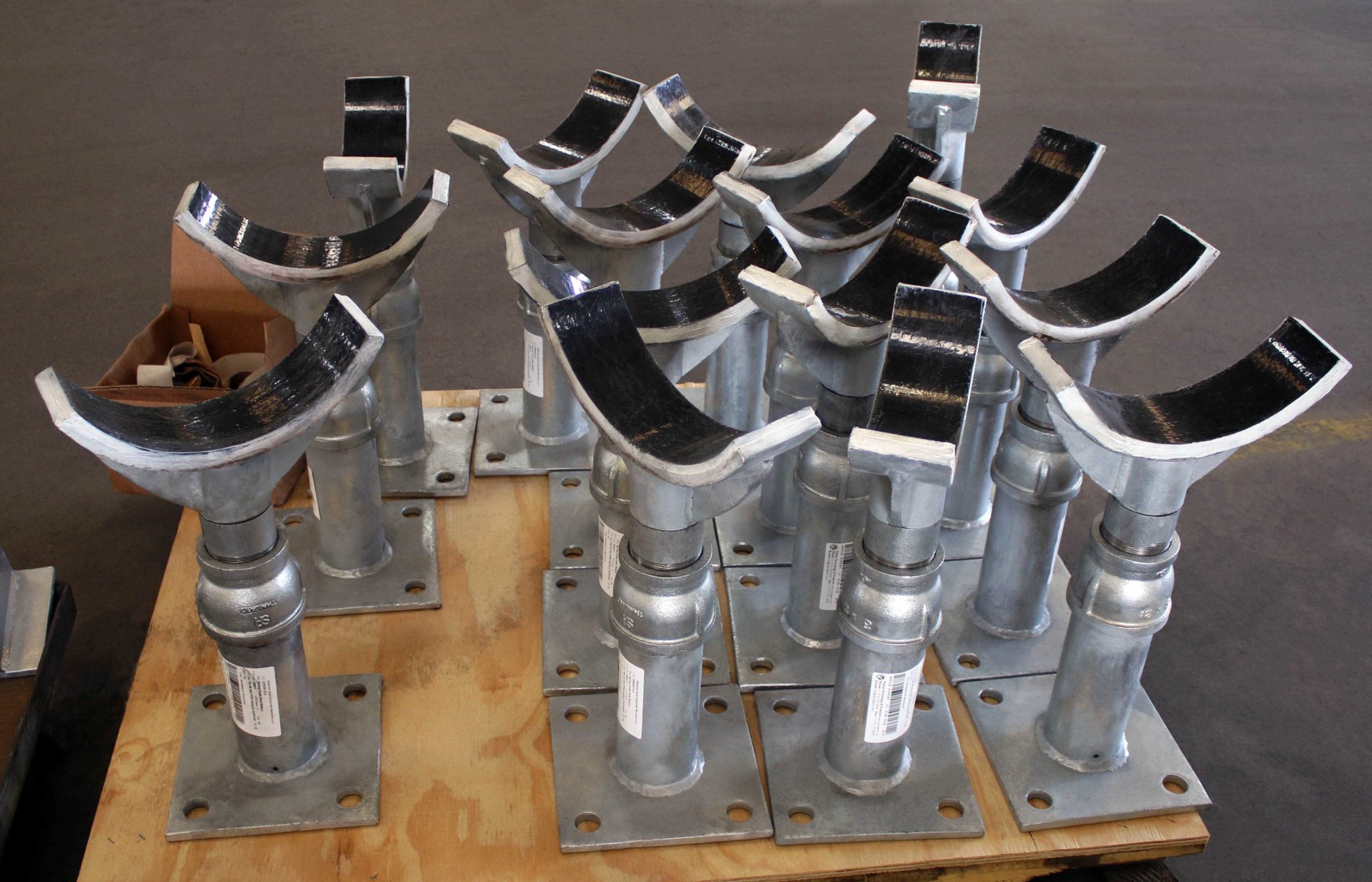
Rigid Supports: U-bolts, saddle supports, and anchor points.
Adjustable Supports: Threaded rods and clevis hangers.
Engineered Supports: Spring hangers or constant effort supports that are specifically designed to absorb significant vertical movement while maintaining a steady force on the pipe, crucial near sensitive equipment like pumps or turbines.
Key Tools in Modern Plant Design
The efficiency of modern plant design is mainly due to advanced software tools. The shift from 2D drafting to 3D modeling has revolutionized the industry.
P&ID Software: Programs such as AutoCAD P&ID and SmartPlant P&ID enable engineers to rapidly create intelligent, data-rich schematic diagrams that link directly to equipment databases.
3D Modeling Suites (CAD): Tools such as AVEVA E3D (Everything3D) and SmartPlant 3D are used to create the detailed geometric model. These platforms are the engine of clash detection and are used to produce all fabrication drawings.
Pipe Stress Analysis Software: Specialized tools such as CAESAR II are used to model complex piping systems mathematically. They calculate the forces and moments acting on pipes and equipment nozzles under various operating conditions (e.g., hot/cold, wind, seismic loads), ensuring the proper specification of pipe supports and preventing mechanical failure.
The Critical Role of Pipe Supports in Plant Integrity
The selection and installation of pipe hangers and supports is a frequently underestimated element of plant design. Poorly specified supports can lead to excessive equipment stress, fatigue-related pipe failure, and costly downtime. Engineers rely on sophisticated analysis to select supports that can withstand static weight, dynamic loads (such as wind and surge), and, most critically, the substantial movement caused by thermal expansion and contraction. High-quality, engineered supports are an investment in the plant’s long-term operational health and safety profile.
Piping Technology & Products: Your Partner in Engineered Support Solutions
At the center of plant design and operations is the need for specialized piping components. Piping Technology understands that standard catalog products are often insufficient for the extreme demands of chemical processing. We engineer and manufacture custom supports, expansion joints, and pulsation dampeners built to the exact specifications of your P&IDs and stress analysis reports. Our focus is on mitigating the risks associated with corrosive environments and high cyclic stresses, ensuring the lifespan of your most critical infrastructure.
Our teams provide custom-engineered pipe hangers, supports, and specialty components that improve the performance of your chemical plant. We move beyond standard practices to deliver precision-fabricated solutions that withstand extreme thermal expansion and corrosive environments. Set up time with our field survey and inspection teams, and get started with a full review of your plant’s piping infrastructure.
The global shift toward renewable energy, solar, wind, geothermal, and more, is one of the most essential industrial transformations of our time. When we think of this “green revolution,” images of vast solar farms and towering wind turbines often come to mind. However, beneath the surface of these high-profile projects is a critical component: the pressure vessel.
Pressure vessels are essential containers designed to hold liquids, vapors, or gases at pressures significantly above ambient. In the volatile and highly specialized world of renewable energy, their role is not just about storage—it’s about making intermittent energy sources reliable, transportable, and safe. Without custom-engineered pressure vessels, many of today’s most promising green technologies would simply be unviable.
Beyond the Grid: Storage and Conversion
The primary challenge for renewable energy is intermittency. The sun doesn’t always shine, and the wind doesn’t always blow. This is where high-integrity pressure vessels step in, serving as the backbone for advanced energy storage and conversion systems.
Hydrogen: The Future’s Energy Carrier
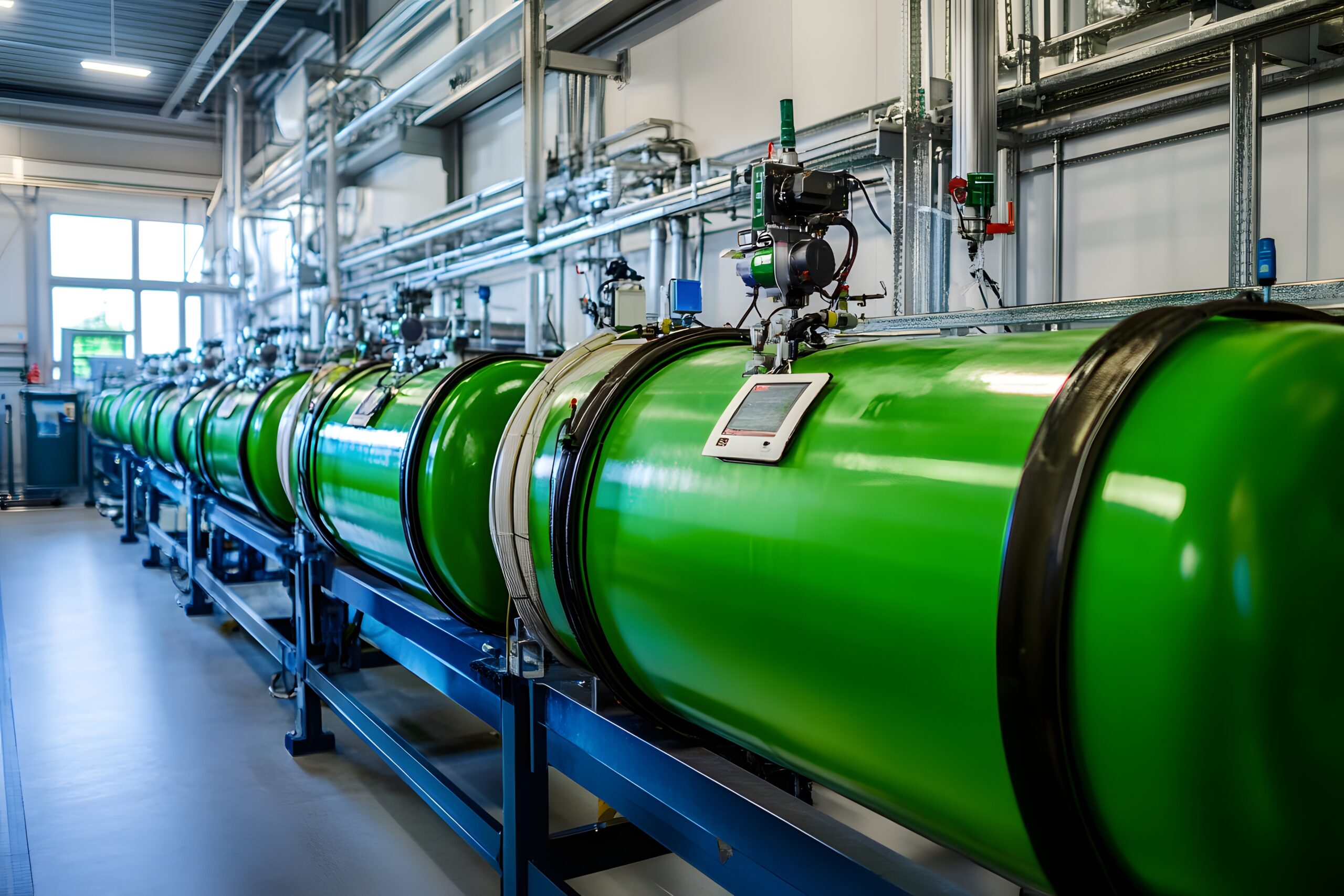
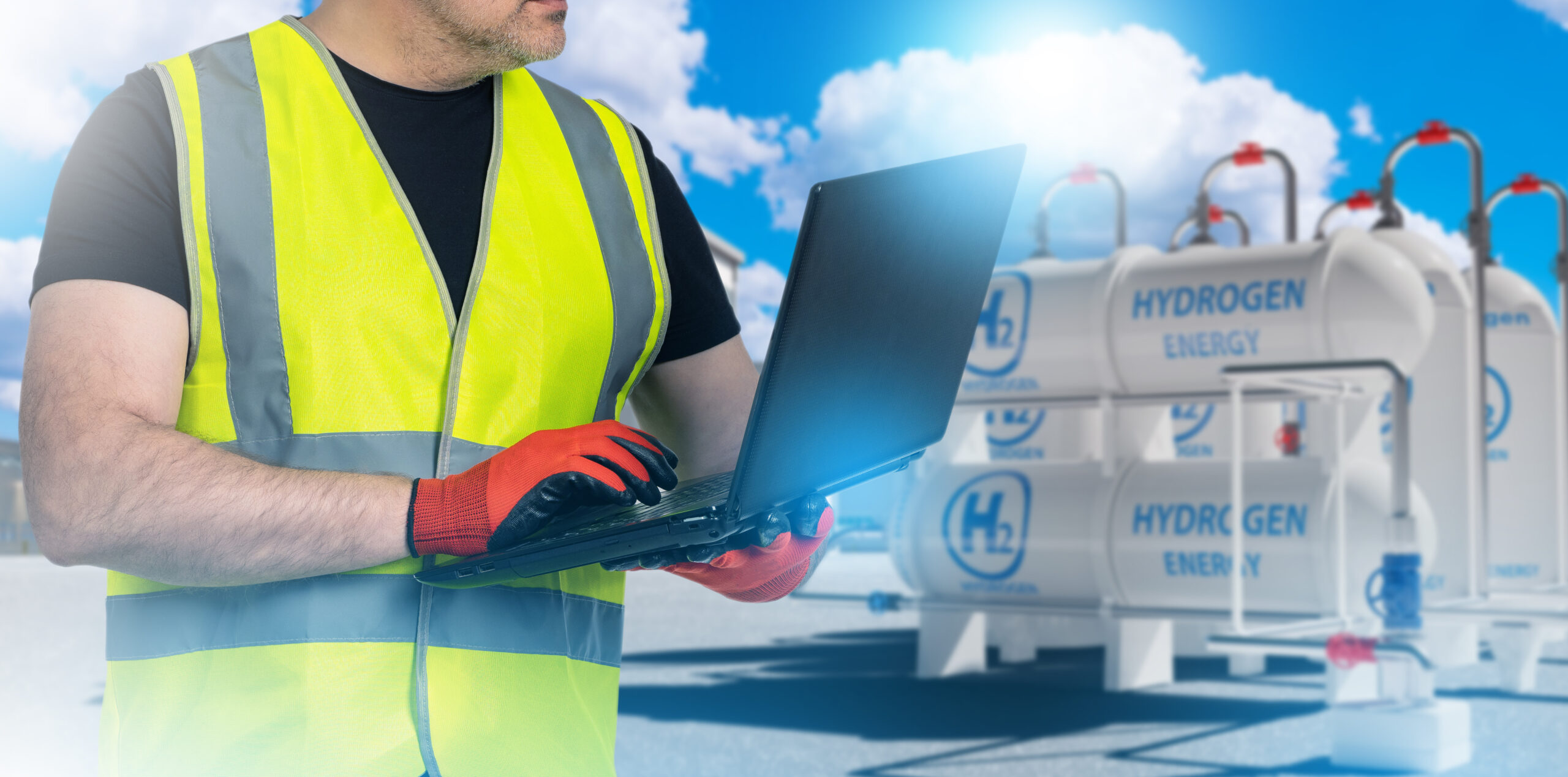
Hydrogen is quickly emerging as a zero-emission fuel and a vital energy carrier, but to be practical for storage and transport, it must be compressed to extremely high pressures (often up to 700 bar).
Secure Containment: Pressure vessels are custom-designed per ASME SEC. VIII Div 1 with materials suitable for application and robust wall thickness, and welds to contain this highly compressed, volatile gas safely.
Scale and Mobility: Whether for large-scale grid-balancing storage or for smaller, mobile refueling stations, custom-fabricated vessels are required to meet precise volume and pressure specifications, ensuring both safety and efficiency.
Thermal Energy Storage (TES)
Concentrated Solar Power (CSP) plants, for instance, capture and store heat for later use. This heat is often stored using high-temperature mediums, such as molten salts, which remain liquid at hundreds of degrees Celsius.
Managing Extreme Heat: Pressure vessels built for TES must withstand not only high pressures but also extreme operating temperatures and the corrosive nature of the storage medium. Sweco Fab’s expertise in material selection and ASME-certified fabrication ensures these systems operate reliably, allowing power generation to continue long after sunset.
Sweco Fab: Precision in a High-Stakes Industry
Renewable energy projects operate under strict performance and safety standards. Using off-the-shelf vessels for these high-pressure, high-temperature, and often corrosive applications introduces unnecessary risk and inefficiency. This is why a custom-fabricated solution from an experienced partner is paramount.
Custom Fabrication for Best Performance
Every renewable energy system has unique demands. A custom-fabricated pressure vessel provides measurable advantages over a standard unit:
Application-Specific Material Selection: We select the precise grade of Carbon Steel, Stainless Steel (304/L or 316/L), or specialty alloys required to resist corrosion from specific chemicals (like those in carbon capture or biogas systems) or extreme heat.
Optimized Geometry and Integration: Custom vessels are engineered to fit seamlessly into complex plant layouts, with exact nozzle placement, size, and support structures (saddles, skirts) to maximize floor space and streamline piping, reducing installation time and costs.
Uncompromising Safety and Certification
In renewable energy, there is no margin for error. As an ASME U-Stamp and National Board R–Stamp holder, Sweco Fab. Inc. adheres to the most stringent international standards for both new vessel construction and repairs. This dedication to quality and safety is not just a certification—it’s a commitment to protecting your people, your investment, and the environment.
Ready to Power the Future with Sweco Fab?
The transition to a sustainable energy future depends on reliable infrastructure. From storing the next generation of hydrogen fuel to managing the extreme conditions of thermal energy storage, the right pressure vessel is the difference between a groundbreaking project and a costly failure.
Don’t let standard components limit your innovative renewable energy project.
Talk to a Sweco Fab engineer today about your specific pressure and thermal requirements. Let’s custom-design the ASME-certified vessel that will securely power your sustainable future. Click here to request a custom fabrication quote.
Choosing the right pipe supports is crucial for the lifespan and safety of any piping system. It’s not just about holding pipes in place; it’s about managing stress, accommodating movement, and protecting your entire infrastructure. Before you make a purchase, consider these five critical factors to ensure you’re making the best decision for your project.
The Foundation of Reliability: Understanding Your Needs
Every piping system is unique, and so are its support requirements. A thorough understanding of your specific application will help you select the most appropriate supports.
What Environmental Conditions Will the Supports Face?
The environment in which your pipe supports operate significantly impacts their material and design. Consider factors such as:
Temperature: Extreme temperatures, both hot and cold, can affect material properties. Supports in high-temperature environments need to withstand thermal expansion and contraction, while those in cold environments must resist embrittlement.
Corrosion: Will the supports be exposed to moisture, chemicals, or saltwater? Corrosion-resistant materials, such as stainless steel, or specialized coatings, may be necessary.
Vibration and Seismic Activity: In areas prone to earthquakes or systems with high vibration, specialized seismic bracing or vibration dampeners are essential to prevent damage and ensure stability.
Load and Stress Management: Supporting More Than Just Weight
Pipe supports do more than bear the static weight of the pipe and its contents. They play a critical role in managing various forces and stresses within the system.
Weight of the Pipe and Contents: This is the most obvious factor, but it’s essential to calculate accurately, including the weight of insulation, valves, and other components.
Thermal Expansion and Contraction: As pipes heat up and cool down, they expand and contract. Supports must allow for this movement without inducing excessive stress on the pipe or the support itself. This is where options such as constant or variable spring supports come into play.
Dynamic Loads: Consider forces from fluid surges, water hammer, or external impacts. These dynamic loads require supports designed for robust performance.
Material Matters: Choosing for Durability and Performance
The material of your pipe support directly influences its lifespan and effectiveness.
Carbon Steel: A common and cost-effective choice for many applications, especially in moderate environments.
Stainless Steel: Offers superior corrosion resistance, ideal for harsh environments or where cleanliness is paramount.
Alloys: For extreme temperatures or highly corrosive media, specialized alloys might be required.
Non-Metallic Materials: In specific applications, such as those requiring electrical isolation or chemical resistance, non-metallic materials, such as FRP (fiber-reinforced plastic), may be suitable.
Installation and Accessibility: Practical Considerations
Even the best pipe support is ineffective if it cannot be installed correctly or maintained easily.
Ease of Installation: Consider the complexity of installation and whether specialized tools or skills are required. Supports designed for quick and straightforward installation can save time and labor costs.
Accessibility for Maintenance: Ensure that supports are placed in locations that allow for easy inspection, adjustment, or replacement without significant disruption to the system.
Space Constraints: In confined spaces, compact designs or specialized supports may be necessary.
Cost-Effectiveness and Long-Term Value
While the initial purchase price is a factor, it’s crucial to consider the long-term value and total cost of ownership.
Life Cycle Costs: Factor in installation, maintenance, and potential replacement costs over the system’s lifespan. A slightly more expensive but durable support might be more cost-effective in the long run.
Compliance and Standards: Ensure the supports comply with relevant industry standards and regulations to avoid potential penalties or safety issues.
Supplier Reputation and Support: Choose a reputable manufacturer that offers high-quality products, technical support, and reliable delivery.
By carefully evaluating these five factors, you can make informed decisions that result in a reliable, cost-effective piping system.
Choose PT&P to Protect Your Critical Infrastructure
At Piping Technology and Products, our comprehensive in-house capabilities, from design and engineering to advanced manufacturing and testing, ensure that every support is precisely tailored to your unique operational demands. We eliminate guesswork by providing solutions that anticipate complex challenges, such as thermal expansion, seismic activity, and corrosive environments.
When you’re ready to improve your piping system with the right supports, contact Piping Technology and Products for a custom quote and discover how our engineered solutions can drive the safety of your infrastructure.
Data centers are mission-critical environments where system uptime and reliability are non-negotiable. While sophisticated IT equipment often takes the spotlight, the integrity of the supporting infrastructure, particularly the piping systems, is equally vital. From chilled water to fire suppression, these pipes rely on properly chosen hangers and supports to ensure stability, manage stress, and protect sensitive components. Selecting the correct support hardware is a crucial engineering decision for the long-term success of any data center.
The Critical Role of Pipe Hangers and Supports in Data Center Infrastructure
Pipe supports are the behind-the-scenes lynchpin of a data center’s mechanical infrastructure. They perform a variety of essential functions that directly impact operational efficiency and safety:
Load Bearing: They carry the weight of the pipe, the fluid it contains, and the insulation, preventing undue stress that can lead to pipe failure or joint leaks.
Thermal Management: They must accommodate thermal expansion and contraction as cooling water temperatures fluctuate, preventing pipe buckling and tensile stress on connections.
Vibration and Noise Reduction: Supports can incorporate vibration isolation features to minimize the transmission of harmful vibrations from pumps and chillers to the piping and, crucially, to surrounding sensitive IT equipment.
Seismic Protection: In earthquake-prone areas, specialized supports provide seismic bracing to restrain movement and prevent catastrophic damage during an event.
Alignment and Slope: They maintain the precise alignment and slope required for proper flow (e.g., in chilled water systems) or complete drainage (e.g., in fire sprinkler systems).
Key Considerations for Data Center Pipe Support Selection
Choosing the proper support requires a detailed engineering assessment based on the specific conditions within the data center.
Material and Corrosion Resistance
Galvanized Steel: Standard galvanized steel is a common and cost-effective choice for most indoor, climate-controlled environments.
Stainless Steel: For areas with higher humidity, proximity to cooling towers (outdoor piping), or where potential condensation is a major risk, stainless steel offers superior, long-term corrosion resistance.
Non-Metallic Supports: In specialized or non-conductive applications, or where galvanic corrosion is a concern, non-metallic or isolation-lined supports (often rubber or PTFE) may be used.
Load Calculation and Proper Spacing
Accurate load calculation is fundamental. Engineers must factor in the nominal weight of the pipe, the maximum fluid weight (e.g., water or glycol), and the weight of any insulation or jacketing.
Spacing Standards: Hangers must be spaced in accordance with ASME B31.1 (Power Piping) or B31.9 (Building Services Piping), which specify minimum support intervals to prevent excessive sag, especially in horizontal runs.
Insulation Type: Supports must be designed to prevent compression of insulation, which creates a “cold bridge” that leads to condensation and energy loss. This is where pre-insulated supports become essential.
Best-Fit Hangers and Supports for Data Centers
The following types of hangers and supports are frequently used and highly recommended for data center mechanical systems due to their reliability and specific functionality.
A load-bearing insert (e.g., high-density polyurethane or phenolic foam) wrapped around the pipe, placed within a steel jacket.
Critical for chilled water lines. Prevents insulation crushing, eliminates thermal bridges, and stops condensation at the support points.
The Role of Seismic Bracing and Vibration Control
Given the high value of data center equipment, specialized support is mandatory in active zones.
Seismic Sway Braces: These are rigid structural members (usually rods or cables) attached diagonally to the pipe and the building structure. They are engineered to restrain lateral and longitudinal pipe movement during an earthquake, protecting both the pipe and the connections to sensitive equipment.
Vibration Isolators: These supports incorporate rubber, neoprene, or spring elements to absorb vibrational energy generated by mechanical equipment before it transfers to the piping and into the rest of the facility. Rubber-lined clamps are often used to ensure vibration damping at the point of contact.
One-of-a-Kind Nested U-Loop Expansion Joints: These supports offer a proactive response to seismic activity and provide sufficient flexibility to absorb ground movement without causing issues for the pipeline.
Ready to Build a Rock-Solid Foundation for Your Data Center?
The reliability of your data center starts with its foundation. Don’t compromise on the integrity of your chilled water, fire suppression, or mechanical piping. Improper support means more potential downtime.
Piping Technology and Products (PT&P) adds value to data centers through precision-engineered supports. Our teams deliver end-to-end load and pipe stress analysis, ensuring custom, seismic-compliant, and thermally isolated support systems. With PT&P, you get maximum uptime and a compliant infrastructure.
When it comes to industrial plant design, selecting the right software isn’t just a technical decision: it’s a strategic one. The tools you choose can profoundly impact project efficiency, accuracy, collaboration, and ultimately, your bottom line. With a multitude of solutions available, finding the perfect fit for your specific piping and plant engineering needs can feel like navigating a complex maze.
At Piping Technology and Products, we understand the critical importance of these choices. That’s why we’ve compiled a detailed comparison of three leading plant design software platforms: SmartPlant3D®, AVEVA™ E3D Design(PDMS), and CADWorx®. We’ll delve into their strengths, typical applications, and unique features to help you identify which powerhouse aligns best with your project requirements and operational philosophy. Let’s explore the capabilities that define each of these top industry options.
Intergraph’s SmartPlant suite, now often referred to as Hexagon SmartPlant®, is a comprehensive, highly integrated set of applications that covers the entire plant lifecycle. From conceptual design to operations and maintenance, SmartPlant offers specialized modules that communicate seamlessly.
Key Strengths:
Total Integration: Modules like SmartPlant P&ID, SmartPlant 3D, SmartPlant Electrical, etc., work together to maintain data consistency across disciplines.
Data-Centric Design: Emphasizes a single source of truth for all project data, reducing errors and rework.
Advanced 3D Modeling: SmartPlant 3D offers robust, rule-based 3D modeling for piping, equipment, structural, and civil components.
Asset Management: Extends beyond design into operational asset information management.
Best Suited For:
Large-scale, complex projects requiring multidisciplinary coordination and extensive data management.
Organizations seeking a unified platform for engineering design, construction, and asset lifecycle information.
Industries such as power generation, oil & gas, shipbuilding, and mining.
AVEVA™ E3D Design has long been a leader in the detailed design phase, particularly for complex industrial plants. Known for its powerful 3D modeling capabilities, it excels at creating intelligent, clash-free designs.
Key Strengths:
Robust 3D Modeling: Highly detailed and accurate 3D modeling environment for piping, equipment, structures, and HVAC.
Clash Detection: Industry-leading automatic clash detection to prevent interferences and costly on-site modifications.
Data Richness: PDMS objects contain extensive attribute data, making it well-suited for generating reports and material take-offs (MTOs).
Customization: Highly customizable with macro language (PML) to tailor workflows and automate tasks.
Best Suited For:
EPC (Engineering, Procurement, and Construction) firms focused on detailed engineering and construction packages.
Projects requiring high levels of accuracy, sophisticated clash management, and detailed MTOs.
Industries include oil & gas, chemical, power, and marine.
Cadworx® Plant Professional, by Hexagon, stands out for its deep integration with AutoCAD. This makes it an incredibly appealing option for companies and engineers already proficient and invested in the AutoCAD ecosystem. It provides comprehensive plant design capabilities directly within the familiar AutoCAD environment.
Key Strengths:
AutoCAD Integration: Leverages the power and familiarity of AutoCAD for 2D and 3D design.
Ease of Use: A relatively short learning curve for existing AutoCAD users.
Piping Specifications: Comes with extensive libraries and tools for creating and managing piping specifications.
Affordability: Often considered a more cost-effective solution compared to some of the larger, more complex suites.
P&ID and Isometrics: Strong capabilities for generating intelligent P&IDs and automatic isometric drawings.
Best Suited For:
Small to medium-sized engineering firms or departments.
Companies that value AutoCAD proficiency and seek to extend it into 3D plant design without a steep learning curve.
Projects where a balance of functionality, ease of use, and cost-effectiveness is key.
Making Your Choice: A Strategic Decision
Each of these software powerhouses brings unique strengths to the table.
SmartPlant3D offers an all-encompassing, integrated ecosystem for the entire plant lifecycle, ideal for large, complex, multidisciplinary projects.
PDMS (AVEVA E3D) excels at highly detailed 3D modeling and clash detection, making it ideal for precision engineering and construction.
CADworx provides a powerful, AutoCAD-integrated solution that offers robust functionality, a familiar interface, and often a more accessible price point.
The “best” software isn’t universal; it’s the one that best fits your project scope, your team’s existing skill set, your budget, and your long-term strategic goals. Consider the scale of your projects, the level of integration required, your budget constraints, and your team’s learning curve when making this crucial decision.
Integrate Design with Real-World Performance: Choose Piping Technology
Choosing the right design software provides the blueprint, but bringing that blueprint to life requires the right components and expertise. Regardless of whether your team employs the integrated power of SmartPlant3D, the detailed precision of AVEVA E3D (PDMS), or the familiarity of CADworx, the real-world performance of your plant hinges on not just design excellence but system reliability.
Piping Technology specializes in manufacturing and supplying critical components: from engineered pipe supports and highly customized expansion joints to dampeners and complete engineering services that precisely adhere to specifications generated by all major plant design software. Our engineers work with the output from these platforms daily, ensuring that the pipe supports and hardware we deliver integrate with the structural and thermal requirements of your most complex designs. We are the critical link between your digital model and an operational plant.
Our commitment is to support your project from the MTO stage through installation, ensuring that the components designed to manage load, stress, and thermal movement perform exactly as predicted in your sophisticated software model. Download our catalog to learn more.
The Most Wonderful Time of the Year for 3D Pipe Support and Expansion Joint Collectors
The holiday season is officially upon us, and here at Piping Technology & Products (PT&P), we just received the most heart-warming, festive feedback ever—it put a smile on everyone’s face!
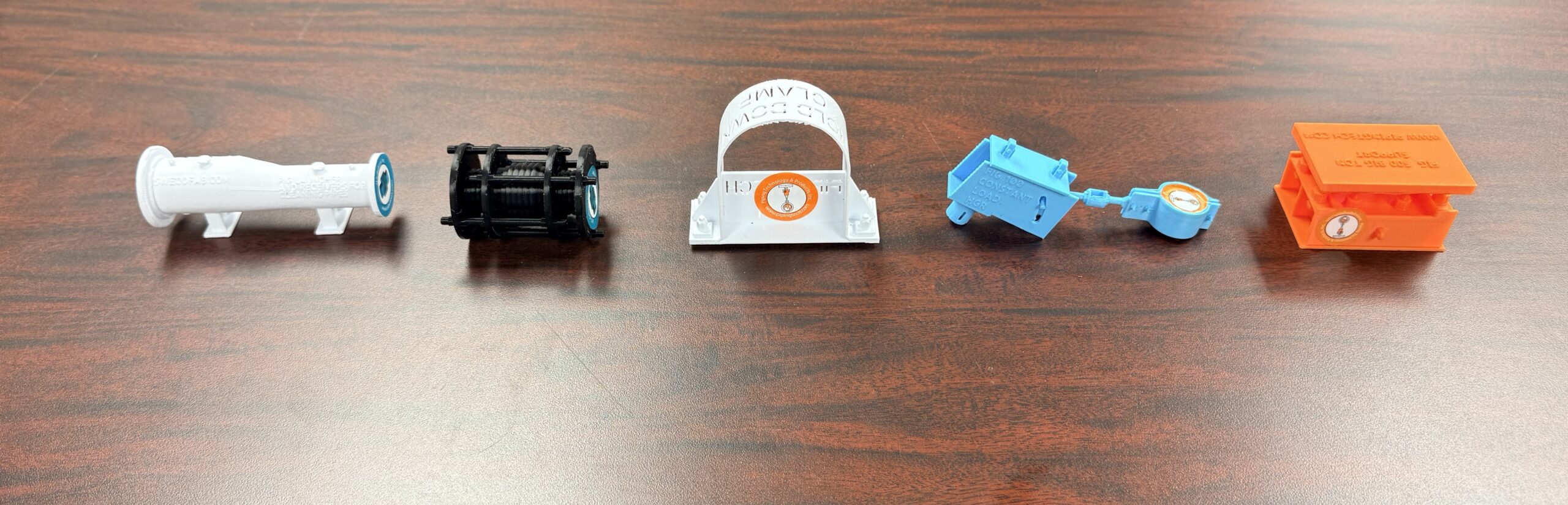
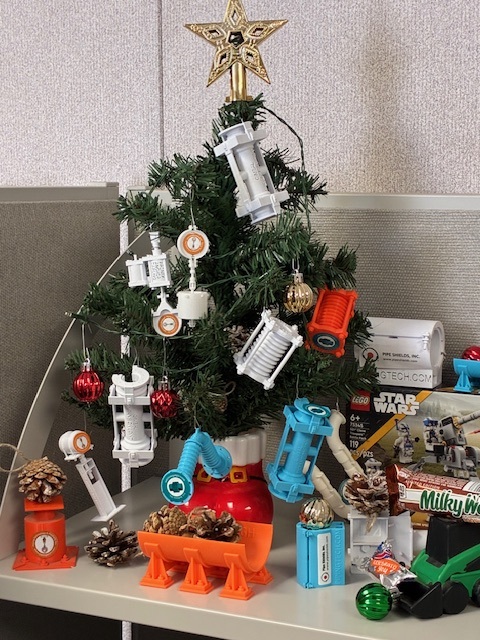
Chris Bunker, the Procurement Manager at Premier Cryogenic Services, is a valued PT&P customer, and he recently thanked our team for the “little gifts throughout the year.” But here’s the best part: he’s using these gifts—which include 3D models of pipe supports and expansion joints—for his Christmas tree.
Chris is genuinely dedicated to his holiday decorating—he wrote to ask us to help him complete his collection.
For engineers, operators, and maintenance professionals managing critical piping systems, few industry events offer the focused value of the Snubber User Group (SNUG) conference. As a dedicated provider of high-quality shock control devices, Fronek Anchor Darling recognizes the essential role SNUG plays in advancing industry knowledge and best practices.
Here is why attending the next SNUG conference is a crucial investment for anyone relying on snubbers—especially those using Fronek Anchor Darling’s innovative hydraulic technology.
What is the Snubber User Group (SNUG)?
The Snubber User Group (SNUG) is a vital, independent forum dedicated to the discussion, operation, maintenance, and technical aspects of snubbers. These critical components, such as the high-performance hydraulic and mechanical snubbers manufactured by Fronek Anchor Darling, protect piping systems from sudden, high-force events like water hammer and steam hammer, as well as seismic activity, while allowing for slow, normal thermal expansion.
SNUG provides a unique platform for end-users, primarily those in nuclear, fossil power, and petrochemical plants, to share real-world experiences, challenges, and solutions related to snubber technology and programs.
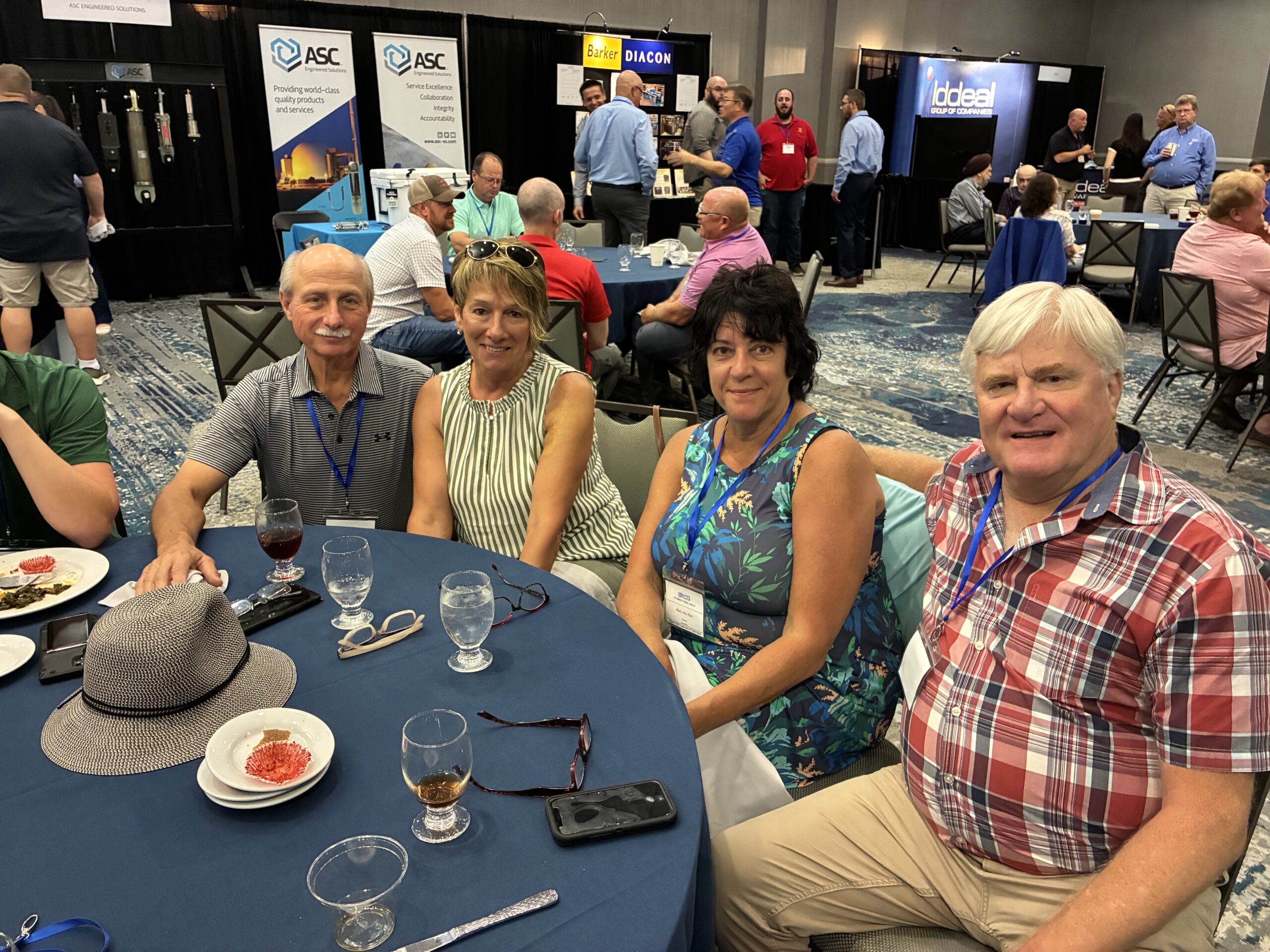
Fronek Anchor Darling Team at SNUG
Why SNUG is Essential for Snubber Professionals
SNUG offers benefits that directly translate into operational excellence and cost savings for your plant.
1. Real-World Case Studies and Best Practices
The focus of SNUG is the peer-to-peer exchange. Attendees present their successful solutions and lessons learned on topics such as:
In-Service Inspection (ISI) Program Optimization: Learn how to streamline testing, minimize false failures, and comply with regulatory requirements more efficiently.
Troubleshooting Snubber Failures: Hear directly from peers about standard failure modes and effective repair or replacement strategies.
Snubber Program Management: Discover best-in-class methods for documentation, inventory control, and outage planning.
2. Direct Engagement with Industry Experts
SNUG is where end-users, consultants, and manufacturers meet. This environment is perfect for:
Technical Problem-Solving: Get one-on-one time with technical experts to discuss specific site challenges, design issues, or difficult-to-inspect snubbers.
Understanding Regulatory Changes: Stay ahead of evolving ASME and NRC guidelines that directly impact your snubber program.
3. Shaping the Future of Snubber Technology
User feedback drives innovation. By participating in SNUG, you contribute to the collective knowledge that helps manufacturers, including Fronek Anchor Darling, continually improve snubber design and supporting services.
Plan Your Attendance, and Learn During Valuable Conference Sessions
Planning Detail
SNUG Summer 2026 Conference & Trade Show
Event Focus
Snubber program administration, licensing, code compliance, and hands-on field work, featuring a dedicated Trade Show with vendors (including Fronek Anchor Darling).
Dates
July 13, 14 & 15, 2026 (Monday to Wednesday)
Location
Indianapolis, Indiana
Hotel/Venue
To be determined. Hotel information, location, and a room reservation link will be updated on the SNUG website.
Registration
Check the official SNUG website for updated registration links.
Attendee Cost
Free for Member Utility Representatives. Nonmember utilities may attend up to two conferences as guests.
Fronek Anchor Darling: Your Trusted Partner in Shock Control
Fronek Anchor Darling, a Piping Technology & Products company, has a long history of designing and manufacturing durable hydraulic and mechanical snubbers for the most demanding applications, including nuclear and traditional power generation.
“At Fronek, we see SNUG as an invaluable partner in our mission. By listening to the feedback and challenges shared at the conference, we ensure our snubber technology and field services remain aligned with the real-world needs of our customers.”
Scott Hart, General Manager
Suppose you operate or maintain Fronek Anchor Darling snubbers. In that case, SNUG is the perfect venue to deepen your expertise in our specific products, helping you prolong service life and deliver the best performance.
The knowledge gained at SNUG directly contributes to improved plant safety, regulatory compliance, and reduced maintenance costs. It is the single most valuable event for snubber professionals seeking to elevate their program’s effectiveness.
Stay informed on the dates and location for the next SNUBBER USER GROUP (SNUG) CONFERENCE 2026 to secure your spot and start planning your educational and networking opportunities.
The Role of Pipe Stress Analysis in Industrial Design
Pipe stress analysis is a crucial step in the design and engineering of piping systems. Working with a pipe stress engineer ensures your piping operates safely and reliably under various conditions, including temperature changes, pressure variations, and external loads such as wind or seismic activity. Skipping or poorly executing this analysis can lead to failures, costly downtime, and safety hazards.
This blog post outlines the seven most critical questions you should ask your pipe stress engineer to guarantee the safety of your industrial piping project.
The 7 Critical Questions
Asking the right questions upfront will set the stage for a successful project, ensuring all potential issues are addressed before construction begins.
1. What are the governing design codes and standards for this project?
The engineer should confirm which industry codes (e.g., ASME B31.1, ASME B31.3, etc.) and project-specific standards they are using. This ensures compliance with legal and safety requirements. Different codes have different allowable stress limits, minimum wall thicknesses, and testing procedures.
2. What are the most critical load cases being analyzed?
A comprehensive analysis must consider various scenarios. Critical load cases typically include:
Sustained Loads (Weight): The weight of the pipe, fluid, and insulation.
Expansion Loads (Thermal): Stress induced by temperature changes from operating conditions.
Occasional Loads: Forces from wind, seismic events, or relief valve thrust.
3. Where are the highest stress areas identified, and what is the proposed mitigation?
Stress concentration points often occur near equipment nozzles, branch connections, or elbows. The engineer must clearly identify these hotspots and provide specific solutions, such as adding pipe shoes, guides, anchors, or using different types of expansion joints or spring supports.
4. How are nozzle loads on connected equipment being managed?
Piping forces and moments transferred to sensitive equipment (like pumps, turbines, and vessels) must fall within the manufacturer’s allowable limits. This question confirms the engineer is not just satisfying pipe stress criteria but also protecting expensive machinery.
5. What software is being used, and is the input data validated?
The industry standard for complex analysis is often software like CAESAR II or AutoPIPE. The engineer should confirm the software and, more importantly, explain their process for validating the input data (temperatures, pressures, material properties, support stiffness) to ensure the model accurately reflects the real-world system.
6. Have you considered all transient/non-static conditions (e.g., water hammer)?
While most analyses focus on static operating conditions, transient events like water hammer (surge pressure) or slug flow can generate immense, short-lived forces. Ask whether these dynamic loads have been analyzed and whether special design considerations have been implemented to protect the system.
7. What is the final support recommendation, and why?
The supporting system is the backbone of pipe stress management. The engineer should provide a detailed support plan justifying the type, location, and size of every pipe support, anchor, and restraint based on the stress analysis results.
Why Choose Piping Technology and Products?
Piping Technology and Products (PT&P) doesn’t just help your teams manage pipe stress; we integrate world-class stress analysis expertise with our in-house manufacturing of custom and standard pipe supports, expansion joints, and snubbers. This unique, end-to-end approach means our stress engineers design solutions that are not only compliant and safe but also built and delivered efficiently, and within your budget.
Get Started with a Comprehensive Pipe Stress Analysis
Don’t leave your project’s safety and budget to chance. An expert pipe stress analysis is an investment that prevents future failures.
Contact Piping Technology and Products today to connect with a certified pipe stress engineer and secure the structural integrity of your next project!






 The Most Wonderful Time of the Year for 3D Pipe Support and Expansion Joint Collectors